
Protecting wildlife in Limpopo Province
In South Africa’s Limpopo Province, wildlife conservation faces constant pressure. Poaching remains one of the greatest threats to biodiversity. Every snare, every illegal hunt, weakens fragile ecosystems. At DAKTARI Bush School & Wildlife Orphanage, education and action go hand in hand. Recently, we were proud to welcome a local anti-poaching unit that brought this reality directly to our community.
Their visit reminded us why conservation awareness is more important than ever.
Welcoming PAWS: Protection Assistant for Wildlife Security
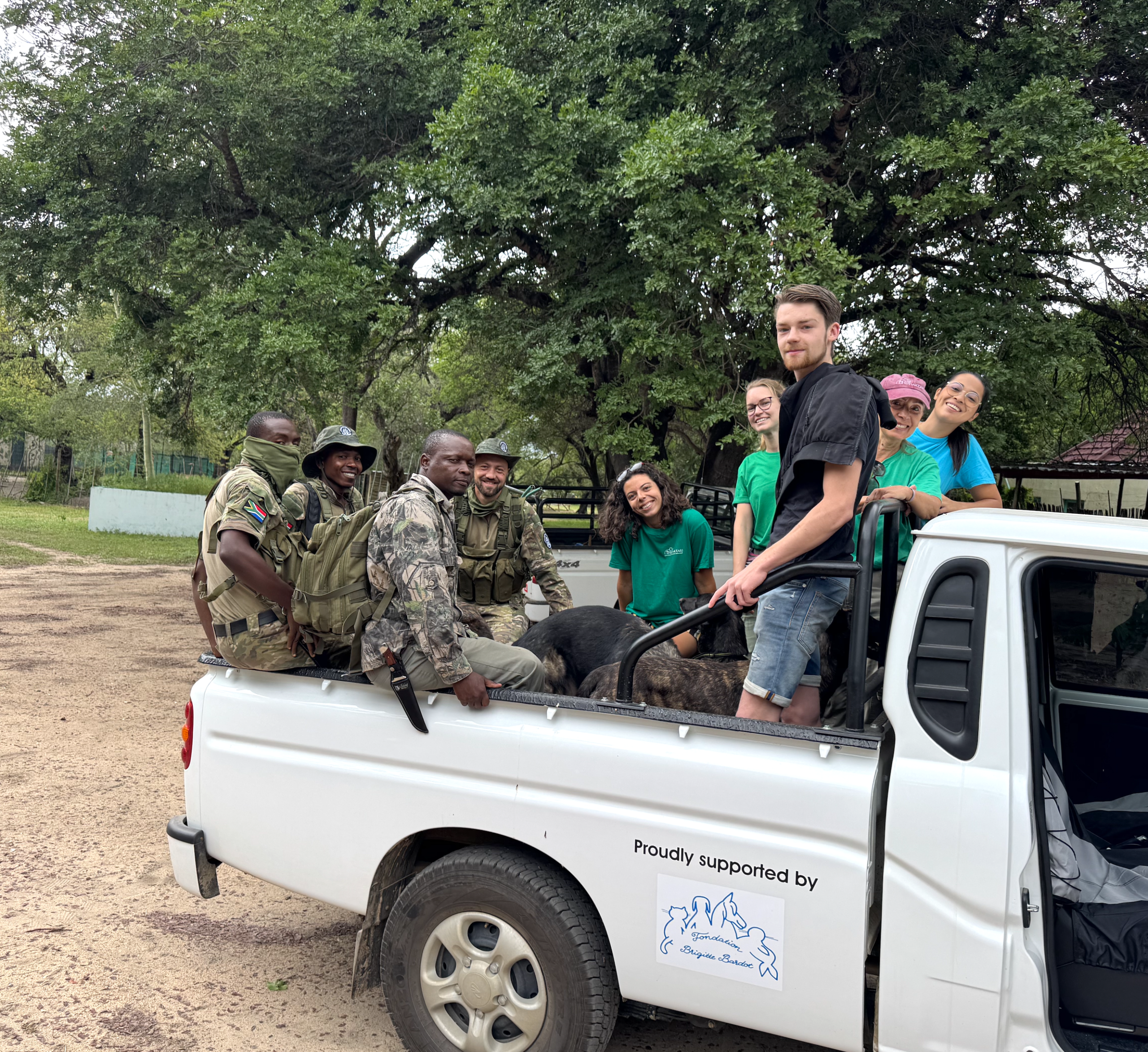
DAKTARI had the privilege of hosting PAWS (Protection Assistant for Wildlife Security), a dedicated anti-poaching brigade working on the ground. Their mission is clear: protect wildlife, prevent illegal activities, and support law enforcement in the bush.
From the moment they arrived, the atmosphere at camp changed. Children, volunteers, and staff gathered with curiosity and excitement. This was not a lecture from afar. Instead, it was a real-world conservation experience.
Anti-poaching dogs in action
The visit began with a live demonstration of the unit’s highly trained dogs. These dogs are essential tools in the fight against poaching. Rangers explained, step by step, how the dogs are trained.
First, they learn scent tracking. Then, they practice locating suspects. Finally, they assist rangers during patrols and arrests. Short commands. Clear signals. Total focus.
As the dogs worked, the audience watched in silence and awe. For many, it was the first time seeing conservation in action. It made the dangers faced by rangers — and wildlife — very real.
Joining a real bush patrol
A few days later, the experience went even deeper. The PAWS brigade invited DAKTARI volunteers to join an actual anti-poaching patrol in the surrounding bush. This was a rare opportunity.
Walking alongside armed rangers and alert dogs, volunteers quickly understood the reality of frontline conservation. The bush was quiet. But the threats were hidden.
During the patrol, dozens of wire snares were discovered. Carefully concealed in the vegetation, these traps showed clear evidence that poaching is ongoing. Each snare removed potentially saved an animal’s life.
Education through experience
This hands-on encounter left a lasting impact on everyone involved. Seeing snares in the wild changes perspectives. Hearing stories from rangers builds respect. Walking the land creates connection.
At DAKTARI, we believe education is most powerful when it is lived. By connecting people directly to conservation action, we turn awareness into responsibility.
Empowering future wildlife protectors
The anti-poaching unit experience strengthened our mission. It inspired children. It motivated volunteers. And it reinforced the importance of community involvement in wildlife protection.
Poaching is a real and ongoing threat. However, through partnerships, education, and courage, change is possible.
At DAKTARI, we continue to raise future advocates for wildlife — one experience at a time.
Leave A Comment