
When people think about conservation, they often picture large national parks or anti-poaching patrols. Yet, in the heart of the South African bush, another essential force is quietly shaping the future of wildlife. Wildlife orphanages like DAKTARI play a unique and powerful role in conservation, especially through the impact of animal ambassadors and conservation education.
At DAKTARI, many of the animals in our care cannot be released back into the wild. Even if their stories are difficult, their presence has tremendous value. Indeed, they become teachers, companions, and powerful voices for wildlife.
Why wildlife orphanages are essential for conservation
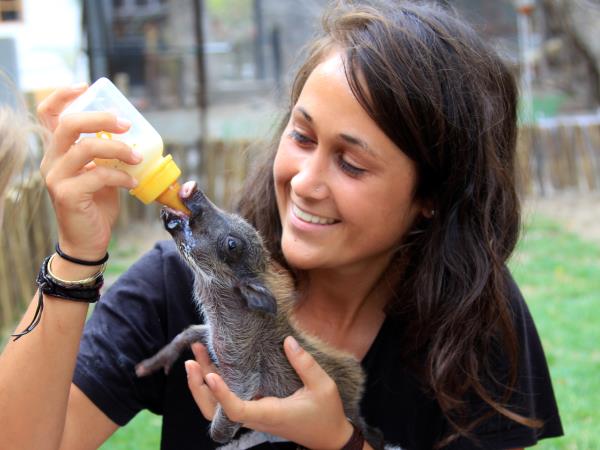
Every year, wild animals experience illegal hunting, are injured, or donated to conservation centers. Without support, these animals would not survive. Thus, a wildlife orphanage offers them safety, specialised care, and a chance to live a life free from harm.
While release into the wild is always the ideal scenario, it is not always possible. Some animals arrive with permanent injuries. Others have been raised by humans for too long and have lost crucial survival instincts. Instead of seeing this as a loss, DAKTARI sees an opportunity to create long-lasting impact.
These non-releasable animals become ambassadors for their species, inspiring hundreds of learners each year.
Animal ambassadors: the heart of our education mission
An animal ambassador is more than a rescued animal. It is a living example of the challenges wildlife face.
When students meet these animals, something remarkable happens. They connect emotionally, ask questions, and begin to understand their responsibility toward the environment. This emotional link is the foundation of effective conservation education.
At DAKTARI, children spend a full week learning about the bush, local ecosystems, and the importance of protecting wildlife. Meeting our animals face-to-face makes the learning real. Lessons are no longer abstract—they have eyes, names, and stories.
Caring for rescued animals teaches empathy and responsibility
Caring for animals is not only about feeding or cleaning. It builds empathy, patience, and respect. These are values that students take back to their communities.
Throughout their week at DAKTARI, children participate in daily animal duties. With guidance from our staff and volunteers, they learn:
-
Why each species matters
-
How human activities affect wildlife
-
In which way can small actions, such as not littering or reporting snaring, save lives
These small lessons grow into big changes. Most of our alumni later join Eco-Clubs in their schools or participate in community clean-ups. This long-term transformation is exactly what makes the presence of animal ambassadors so important.
A bridge between conservation and communities
One of the biggest challenges in conservation today is connecting local communities with the natural environment around them. As children grow up near wildlife reserves, they sometimes see animals as threats—or simply as part of the landscape.
DAKTARI helps shift this perspective.
By interacting with our animals, students gain a deeper understanding of how wildlife and people can coexist. They also learn how protecting nature creates new opportunities, including ecotourism and environmental careers.
Animal care supports long-term conservation education
The continuous care that orphaned animals require also supports another part of our mission: teaching volunteers from around the world. As volunteers help feed, clean, and monitor animals, they too become conservation ambassadors when they return home.
This creates a powerful chain reaction. One rescued animal can inspire hundreds of people—students, volunteers, and supporters—to protect wildlife in their own lives.
Why DAKTARI matters
The strength of DAKTARI’s model lies in its combination of wildlife care and education. Our animal ambassadors remind every child and adult who meets them that wildlife is precious and vulnerable. Through their stories, learners begin to see themselves as protectors rather than bystanders.
A wildlife orphanage is not only a sanctuary. It is a living classroom.
Every animal we rescue contributes to shaping a generation that understands and values conservation.
How you can support our mission
By supporting DAKTARI, you help us:
-
Care for rescued and non-releasable animals
-
Expand our environmental education programs
-
Reach more schools and communities
-
Inspire future conservation leaders
If you would like to make a difference, visit our Donate page.
Together, we can ensure that every child we teach—and every animal we rescue—contributes to a brighter future for South Africa’s wildlife.