
Volunteering at DAKTARI Bush School & Wildlife Orphanage offers a rare opportunity to combine hands-on conservation work with environmental education for local children. In this guide, you will learn how it can be fruitful and priceless.
Daily Life: Practical, Hands-On Experience
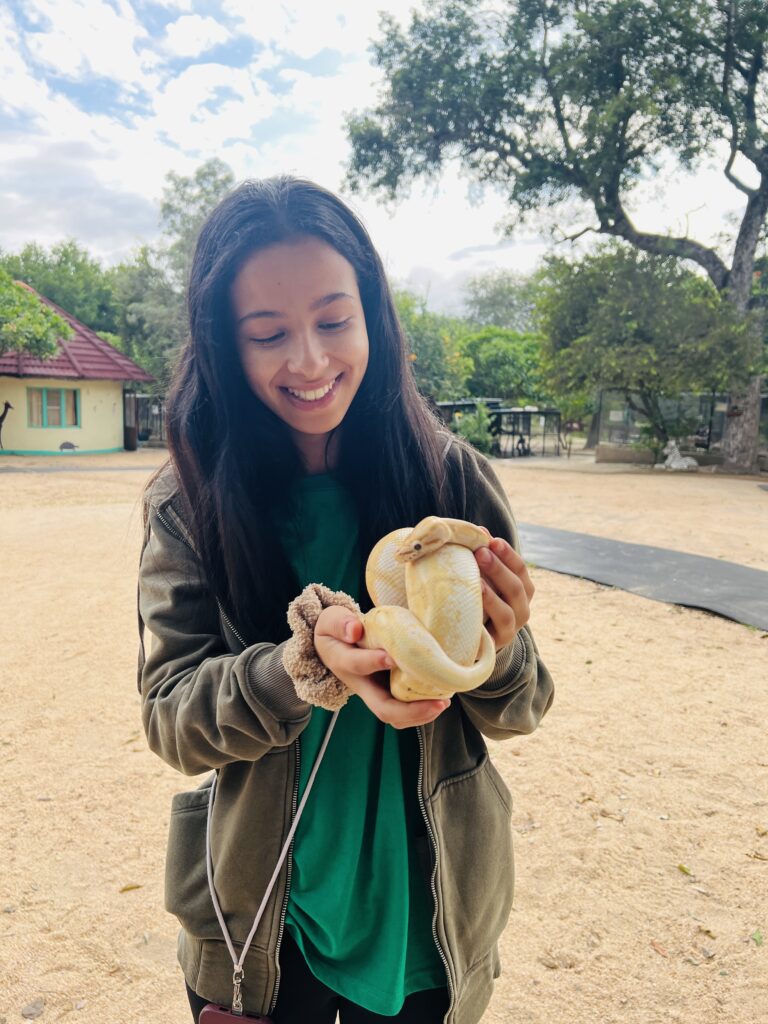
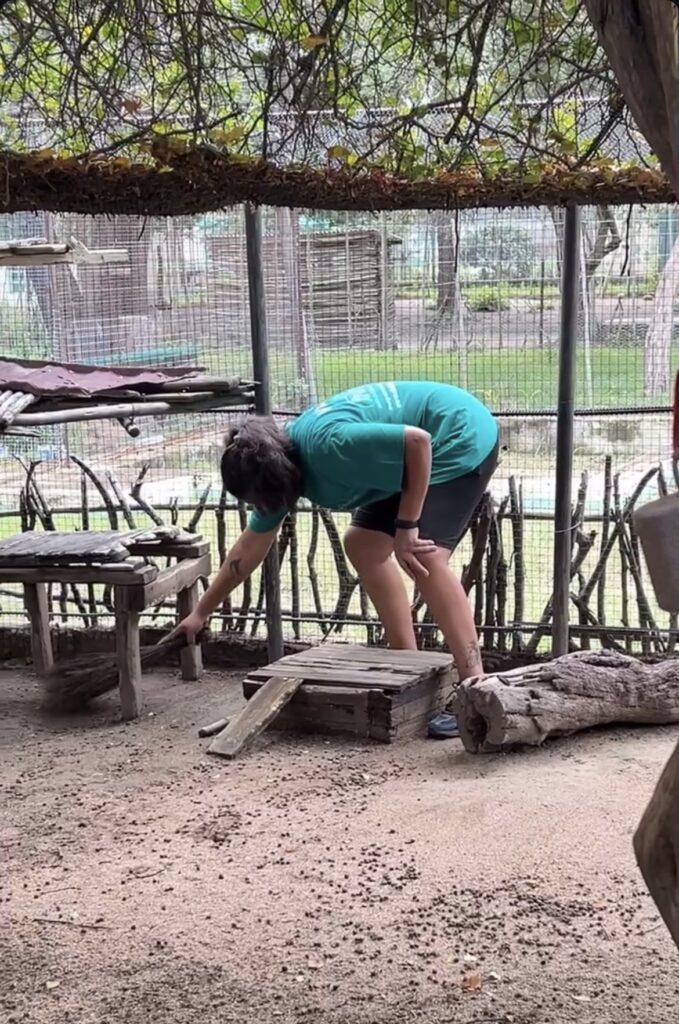
Life at DAKTARI is structured and active. Volunteers are involved in the daily care of animals as well as supporting educational activities.
A typical day might include preparing animal food, cleaning enclosures, and ensuring the well-being of the orphanage’s animals. Orphanage animals—many of which cannot be released into the wild—also help teach children about respect and coexistence with wildlife.
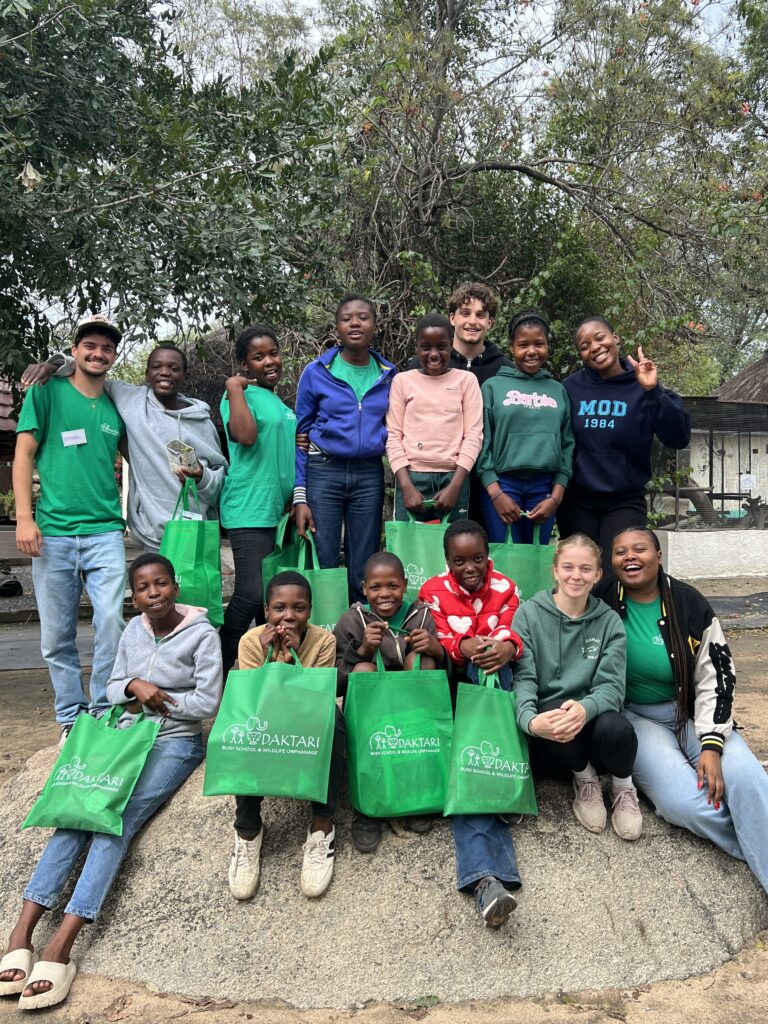
You may also support outreach efforts connected to Eco Clubs, helping reinforce environmental messages and encouraging children to stay engaged with conservation beyond their time at the camp.
The work can be physically demanding and requires a willingness to get involved in all aspects of camp life. It’s not a passive experience, but for many, that’s exactly what makes it rewarding.
A Unique Mission: Where Wildlife Meets Education
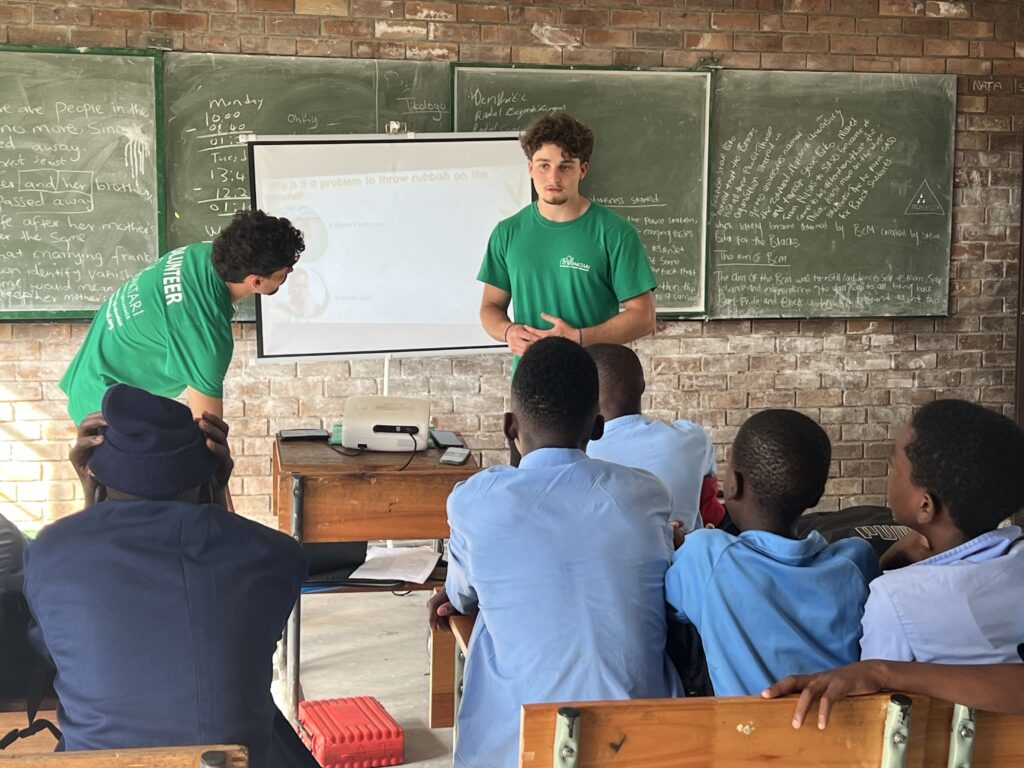
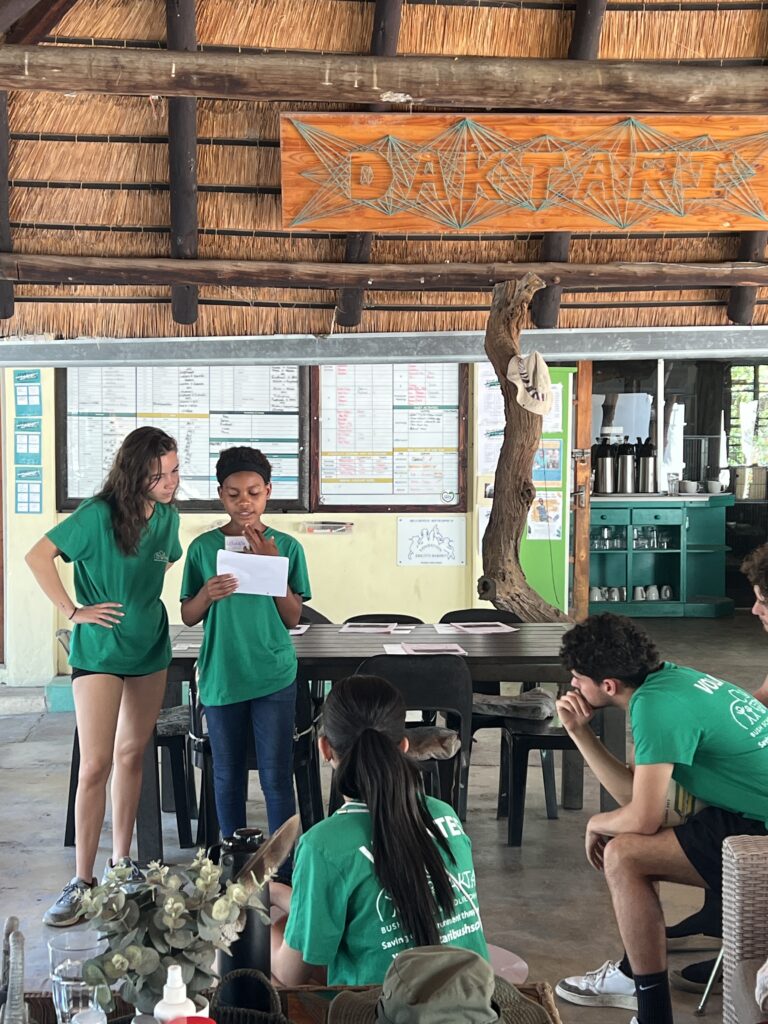
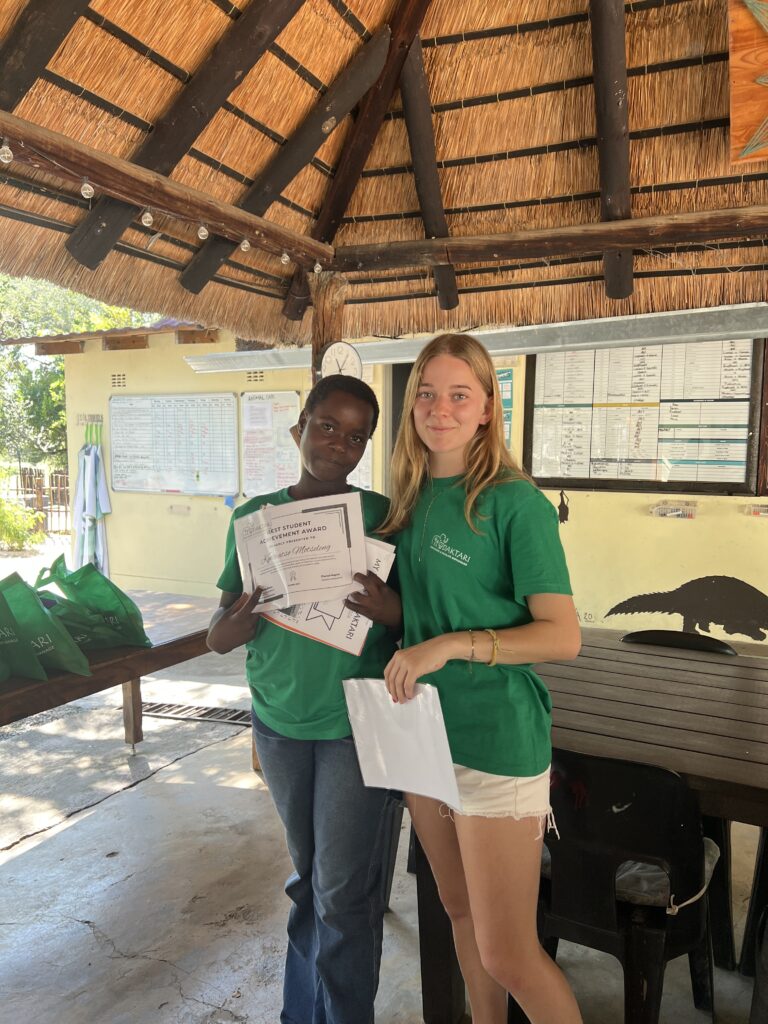
Dislike traditional wildlife volunteering projects, our core mission is to educate and inspire local children to protect their natural environment. As a volunteer, you help deliver interactive lessons where children learn about wildlife, ecosystems, and conservation through direct exposure to animal ambassadors.
An important part of this mission is the Eco Club programme. Eco Club is an ongoing environmental education group formed in local schools and communities. It encourages students to continue learning about conservation, participate in activities such as cleanups or awareness campaigns, and share knowledge with their families and peers.
This creates a ripple effect—extending DAKTARI’s impact far beyond a single visit and embedding conservation values within the community.
Is This the Right Experience for You?
Volunteering at DAKTARI requires commitment, adaptability, and a genuine interest in both people and wildlife. Living conditions are simple, the environment is rural, and the work can be challenging at times.
However, those who take part often find it deeply fulfilling. Beyond the practical skills gained, the experience offers a new perspective on conservation, community, and the role individuals can play in creating change.
This journey is not just about spending time with children and animals. It’s about contributing to a bigger purpose—supporting education, strengthening initiatives like Eco Clubs, protecting wildlife, and helping to build a more sustainable future for our world.
Leave A Comment