
Wildlife conservation is surrounded by myths. Some come from films, others from social media, and many are simply misunderstandings that have been passed down over the years.
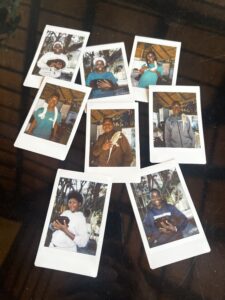
At DAKTARI Bush School & Wildlife Orphanage, we see firsthand how education can change these misconceptions. Every week, local children and international volunteers learn about South African wildlife through hands-on experiences, helping them discover the truth behind the animals they meet.
Here are three common myths that DAKTARI debunk every day.
Myth 1: “Meeting rescued wildlife doesn’t help conservation”
Some people assume that rescued animals are simply there for people to observe. In reality, non-releasable wildlife can play a vital role in conservation education.
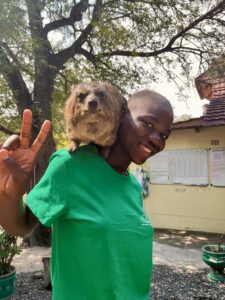
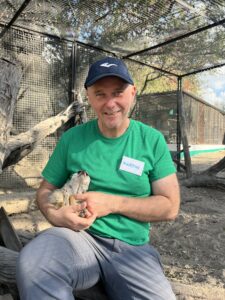
At DAKTARI, every resident animal has a story. They have either been orphaned, injured or raised by humans, meaning they can no longer survive in the wild. Instead of living unnoticed, they now have an important purpose: helping educate thousands of local children and volunteers about wildlife and conservation.
Meeting a cheetah, python or hyrax in person creates a connection that books and documentaries often cannot. Children or volunteers who may have once feared these animals begin to understand their behaviour, their role in the ecosystem and why they deserve protection.
Sometimes, one rescued animal can inspire thousands of future conservation ambassadors.
Myth 2: “Snakes are aggressive and will chase people”
Snakes are among the most misunderstood animals in the world. Many people believe they actively chase humans or attack without warning.
In reality, most snakes would much rather avoid people than confront them. They usually bite only when they feel threatened, cornered, or accidentally stepped on.
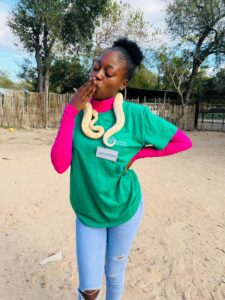
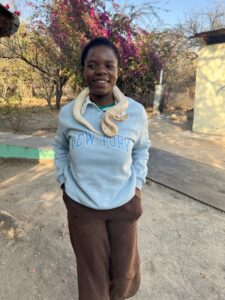
At DAKTARI, local children have the opportunity to safely meet and learn about non-venomous snakes during the environmental education programme. By seeing these fascinating reptiles up close and learning about their behaviour, students begin to replace fear with understanding.
They also discover the important role snakes play in healthy ecosystems by controlling rodent populations and maintaining the natural balance of the environment.
Education helps people realise that snakes are not villains—they are an essential part of Africa’s incredible biodiversity.
Myth 3: “One person can’t make a difference”
It’s easy to think that conservation is something only governments, scientists or large organisations can achieve. The truth is that meaningful changes often begin with small actions.
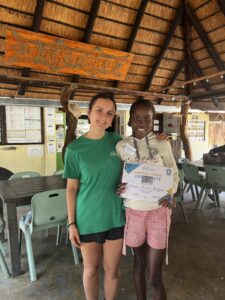
At DAKTARI, we’ve seen this happen time and time again. Every volunteer who shares their skills, every supporter who donates, and every child who learns to respect nature contributes to a much larger impact.
Many of the children who attend our environmental education programme go home excited to share what they have learned with their families and friends. Volunteers often return to their home countries with a greater understanding of conservation and continue supporting wildlife long after their time at DAKTARI has ended.
Protecting wildlife isn’t about making one huge difference overnight—it’s about thousands of small actions that together create lasting change.
Changing Perceptions Through Education
Conservation starts with knowledge. When people understand wildlife, they are more likely to respect it, protect it and inspire others to do the same.
At DAKTARI, our mission goes beyond caring for rescued wildlife. We use every educational encounter—whether it’s meeting a rescued animal, exploring the bush or learning about misunderstood species—to inspire the next generation of conservationists.
By replacing myths with understanding, we are helping create a future where both people and wildlife can thrive together.
Leave A Comment