
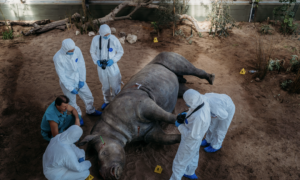
When people think of wildlife crime, they often picture poachers in national parks. While poaching is one part of the problem, wildlife crime is much broader. It includes the illegal hunting, capture, trade and trafficking of wild animals and plants, threatening countless species across Africa and around the world.
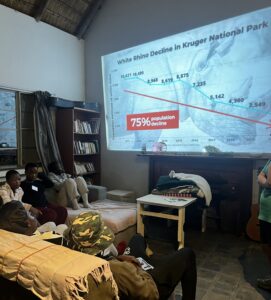
South Africa remains one of the countries most affected by wildlife crime. Although anti-poaching efforts are making a difference, statistics show that the threat is far from over. In 2025, 352 rhinos were illegally killed in South Africa. While this represented a welcome 16% decrease compared to 2024, hundreds of animals continue to be lost every year, showing that conservation requires more than law enforcement alone.
The fight against wildlife crime doesn’t begin when a poacher enters a reserve—it begins long before that, through education.
Why Education Matters
Wildlife crime is driven by many factors, including poverty, misinformation and the global demand for wildlife products. Protecting animals therefore requires more than rangers, fences and security systems. It also requires people who understand why wildlife matters and are motivated to protect it.
Environmental education helps children develop empathy for animals, understand the importance of biodiversity and recognise the consequences of illegal wildlife trade. By learning these lessons at a young age, they are more likely to become adults who value and protect nature. Today’s DAKTARI students are tomorrow’s conservationists, community leaders and decision-makers.
How DAKTARI Inspires Future Conservationists
At DAKTARI Bush School, wildlife crime education is part of every week’s learning experience.
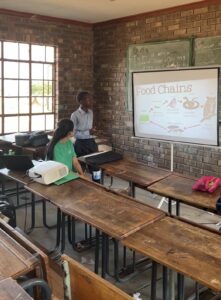
During our weekly environmental education programme, local children learn about endangered species, the illegal wildlife trade and the devastating impact that poaching has on ecosystems and communities. Through interactive discussions, games and bush activities, they discover that every species plays an important role in nature.
Our ECO Club builds on these lessons by giving children additional opportunities to explore conservation topics in greater depth. As they grow in knowledge and confidence, they become ambassadors for wildlife within their schools, families and communities.
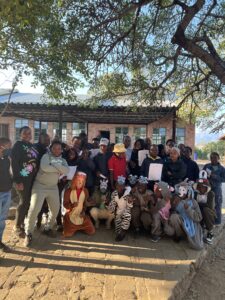
DAKTARI also takes this message beyond our camp through our Wildlife Crime Campaign, which reaches local schools with engaging presentations and activities designed to raise awareness about wildlife crime. By working directly with students, teachers and school communities, we help spread the message that protecting wildlife is everyone’s responsibility.
Building Empathy Through Animal Encounters
One of the most powerful ways to inspire conservation is by creating a personal connection with wildlife.
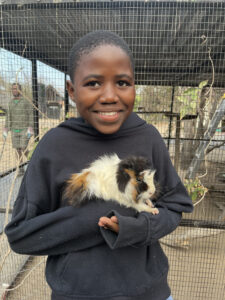
As an animal sanctuary, DAKTARI provides a safe home for non-releasable rescued animals. During their visit, children have the opportunity to meet species such as snakes, servals, honey badgers and many others while learning their individual stories.
These encounters transform fear into curiosity and curiosity into respect. A child who has safely met a python is less likely to fear or harm one in the future. A child who understands why a rescued serval cannot return to the wild begins to appreciate the consequences of illegal wildlife trade and human-wildlife conflict.
By building empathy through meaningful animal interactions, we help nurture a generation that sees wildlife not as something to exploit, but as something worth protecting.
Every Lesson Helps Protect Wildlife
Stopping wildlife crime requires cooperation between governments, conservation organisations, local communities and individuals. While stronger law enforcement remains essential, education addresses the problem at its source by changing attitudes before wildlife crime occurs.
At DAKTARI, we believe every lesson, every rescued animal and every child who walks through our gates has the potential to create lasting change. By inspiring young people to understand, respect and protect wildlife, we are helping build a future where both people and nature can thrive together.
Because the strongest defence against wildlife crime isn’t just stronger fences—it’s a generation that chooses to protect the natural world.
Join us and be Part of the Solution
Wildlife crime is a complex challenge, but education gives us hope. Every child who learns to value nature, every volunteer who shares their passion and every supporter who invests in conservation helps build a future where wildlife can thrive.
At DAKTARI, we believe that protecting Africa’s wildlife starts with inspiring people to care. Together, we can empower the next generation to stand up against wildlife crime—one lesson, one child and one rescued animal at a time.