
Every year on 24 September, South Africans celebrate Heritage Day, a time to recognise the cultures, traditions, knowledge and history that make the country what it is.
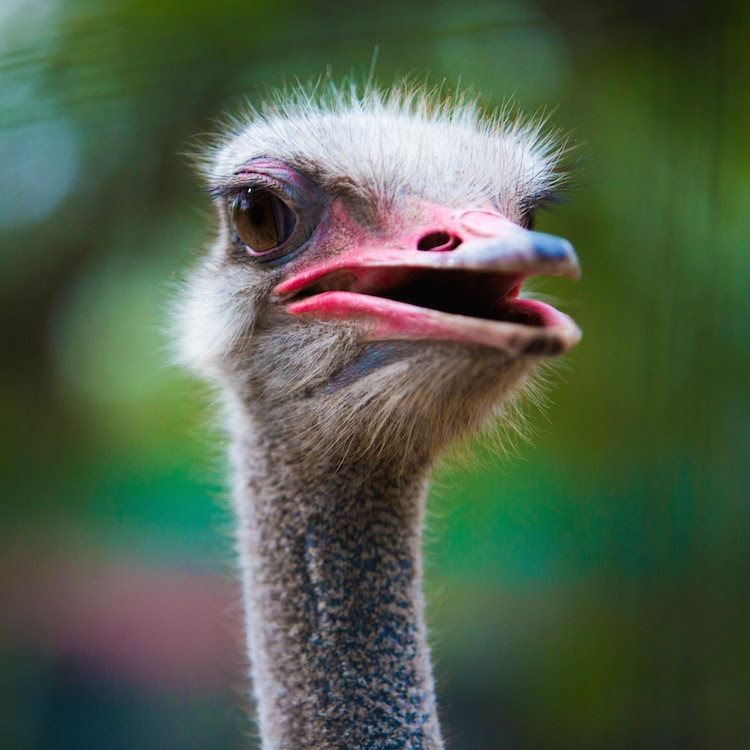
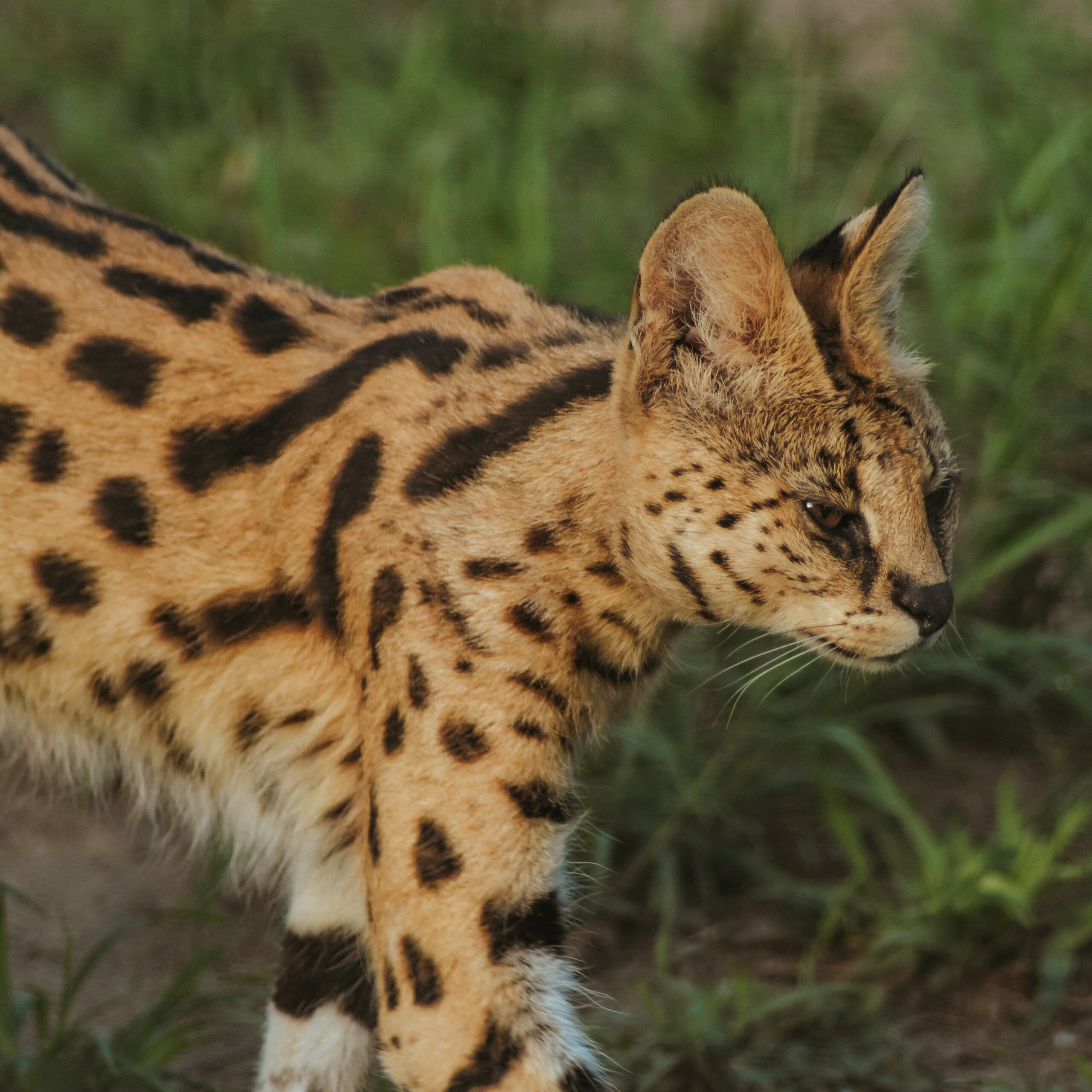
But South Africa’s heritage is not only found in our languages, music, food and traditions. Our natural environment and wildlife are also part of what makes this country unique.
A country rich in natural heritage
South Africa is one of the world’s 17 megadiverse countries, with almost 1,000 different ecosystem types across its land, freshwater, coastal and marine environments. It is also home to three of the world’s 36 biodiversity hotspots.
From the grasslands of Limpopo to the forests, wetlands and coastlines across the country, these ecosystems support thousands of species, many found nowhere else in the world.
The latest National Biodiversity Assessment 2025 involved more than 490 experts from around 110 institutions, highlighting just how much knowledge and collaboration is needed to understand and protect this natural heritage.
Passing our heritage to the next generation
Heritage is something we pass from one generation to the next. This includes not only cultural traditions and knowledge, but also our relationship with the natural world.
At DAKTARI, this connection is at the heart of what we do.
Every week, children from local communities visit our bush camp to learn about wildlife and the environment. Through hands-on experiences with animals and lessons in the bush, they discover the natural heritage around them and why it deserves to be protected.
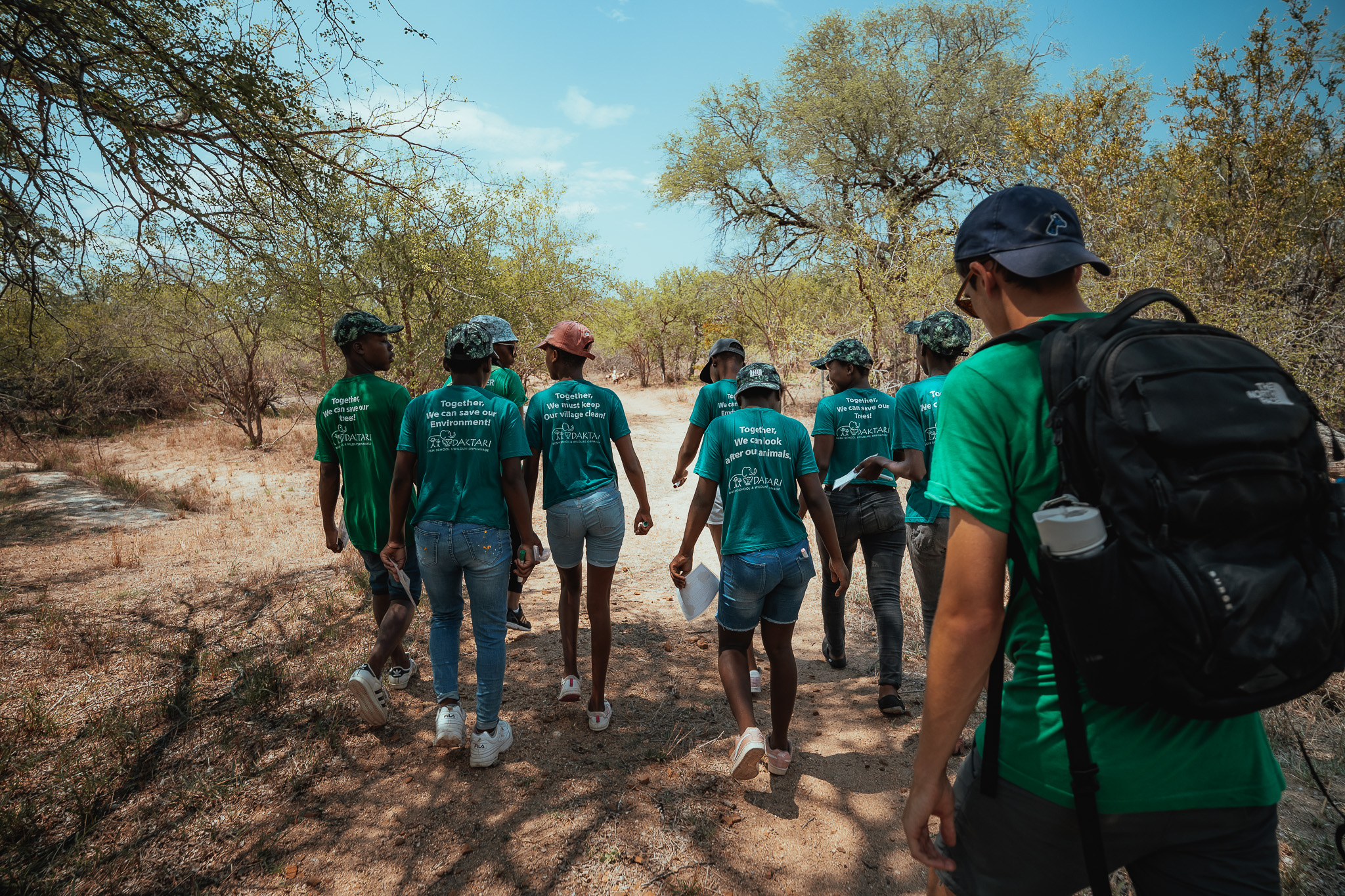
Over the past 20 years, more than 5,500 children have taken part in DAKTARI’s educational activities.
For some children, a visit to DAKTARI may be their first opportunity to see certain animals up close, ask questions about nature and understand their own role in protecting it.
Protecting what belongs to future generations
South Africa’s natural heritage is a shared legacy. But a heritage can only continue if we take care of it.
In 2026, South Africa’s Heritage Day theme is “Celebrating Our Living Heritage: Strengthening the Ties That Bind Us.” The theme highlights the importance of communities as custodians of heritage and the passing of knowledge between generations.
This idea extends naturally to conservation.
By teaching children about wildlife today, we help them understand what makes their communities and country special, and why these places and animals should still be here for generations to come.
Let’s celebrate not only where we come from, but also the natural world we have inherited and the responsibility we share to protect it.