
When we think about wildlife conservation, we often picture rangers protecting animals, researchers studying ecosystems or conservationists working in the bush.
But protecting African wildlife does not only happen in nature reserves. Our everyday choices can also play a part.
From what we buy to how we travel, and from the experiences we choose to the messages we share, small decisions can influence the world around us.
Think Before You Buy
Illegal wildlife trade remains a serious threat to many African species. In 2025, 352 rhinos were poached in South Africa, including 175 in Kruger National Park. Although this represented a 16% decrease compared with 2024, hundreds of rhinos were still lost in just one year.
As consumers, we can help by thinking carefully about what we purchase. Avoid products made from endangered or protected wildlife, and ask questions about where animal-derived products come from.
Sometimes, the simplest choice is not to buy something when its origin is unclear.
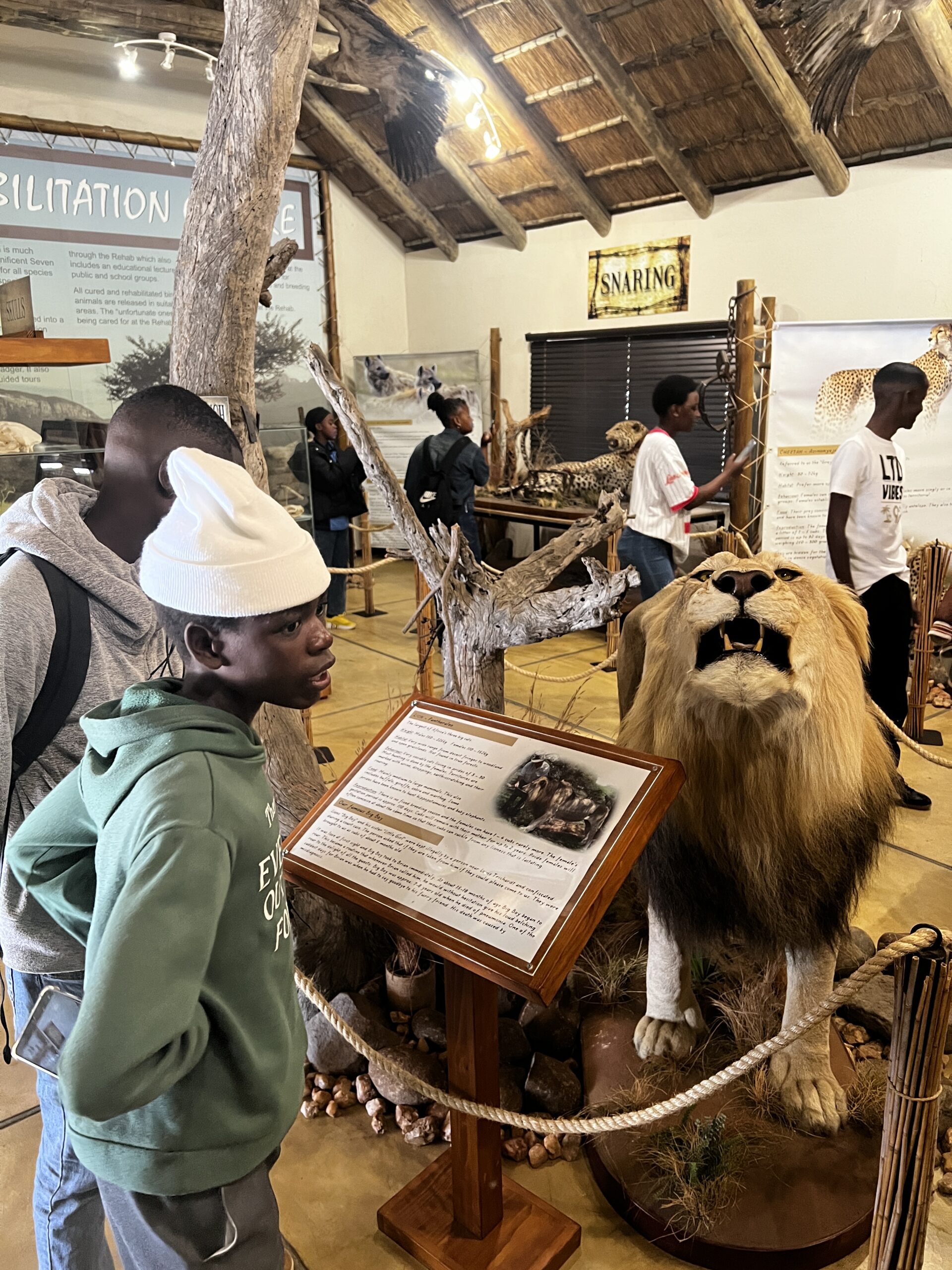
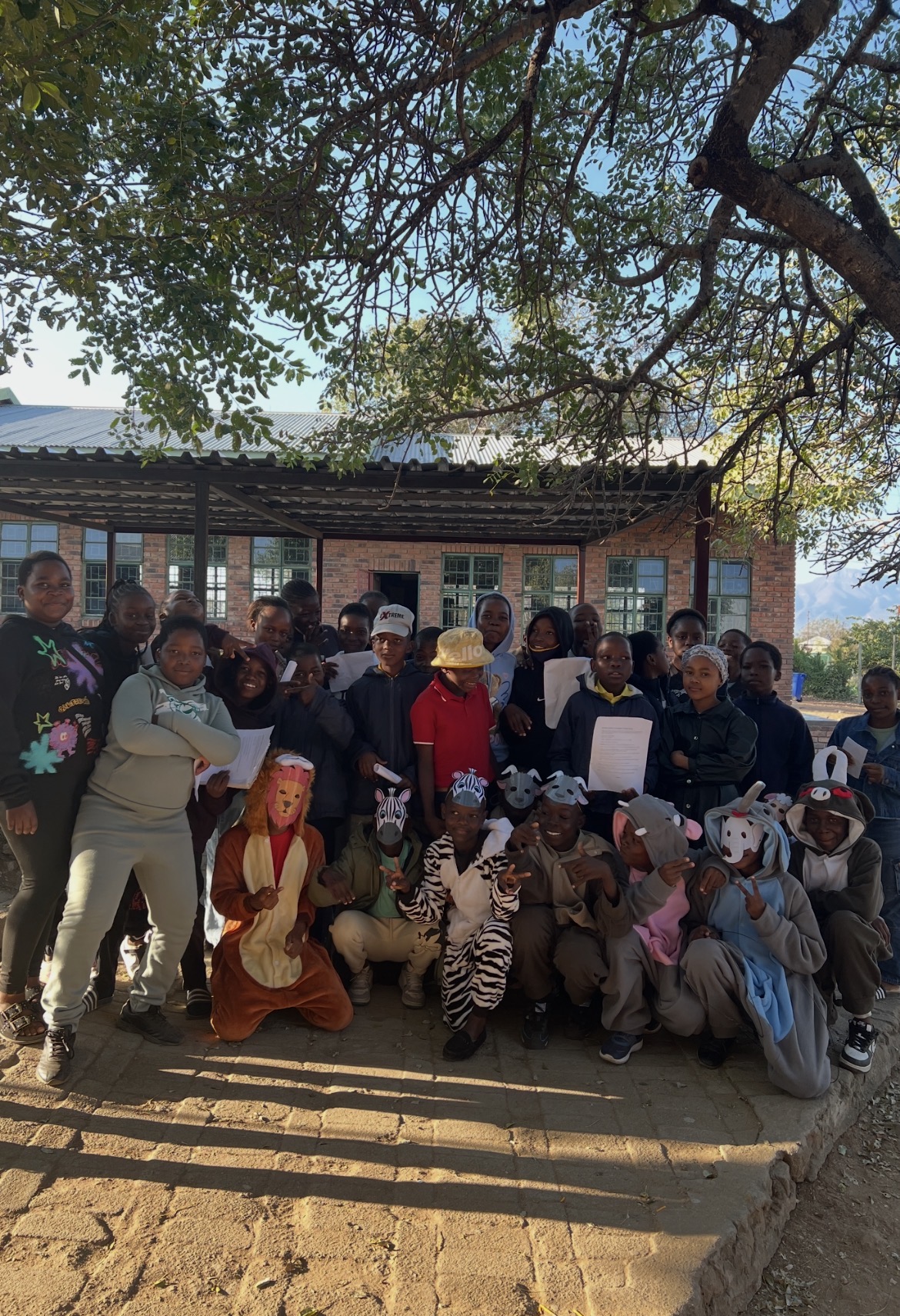
This is one reason environmental education is so important. At DAKTARI, children learn about wildlife, the threats animals face and what they can do to help protect their environment.
Experience Wildlife Responsibly
For many visitors, travelling to Africa is a chance to experience wildlife for the first time. These encounters can create wonderful memories and inspire a lifelong interest in nature.
But the way we experience wildlife matters.
Responsible tourism means choosing activities and operators that respect animals, their natural behaviour and the environment. Instead of supporting experiences that involve unnecessary touching, feeding or handling, we can choose to observe animals respectfully and in more natural settings.
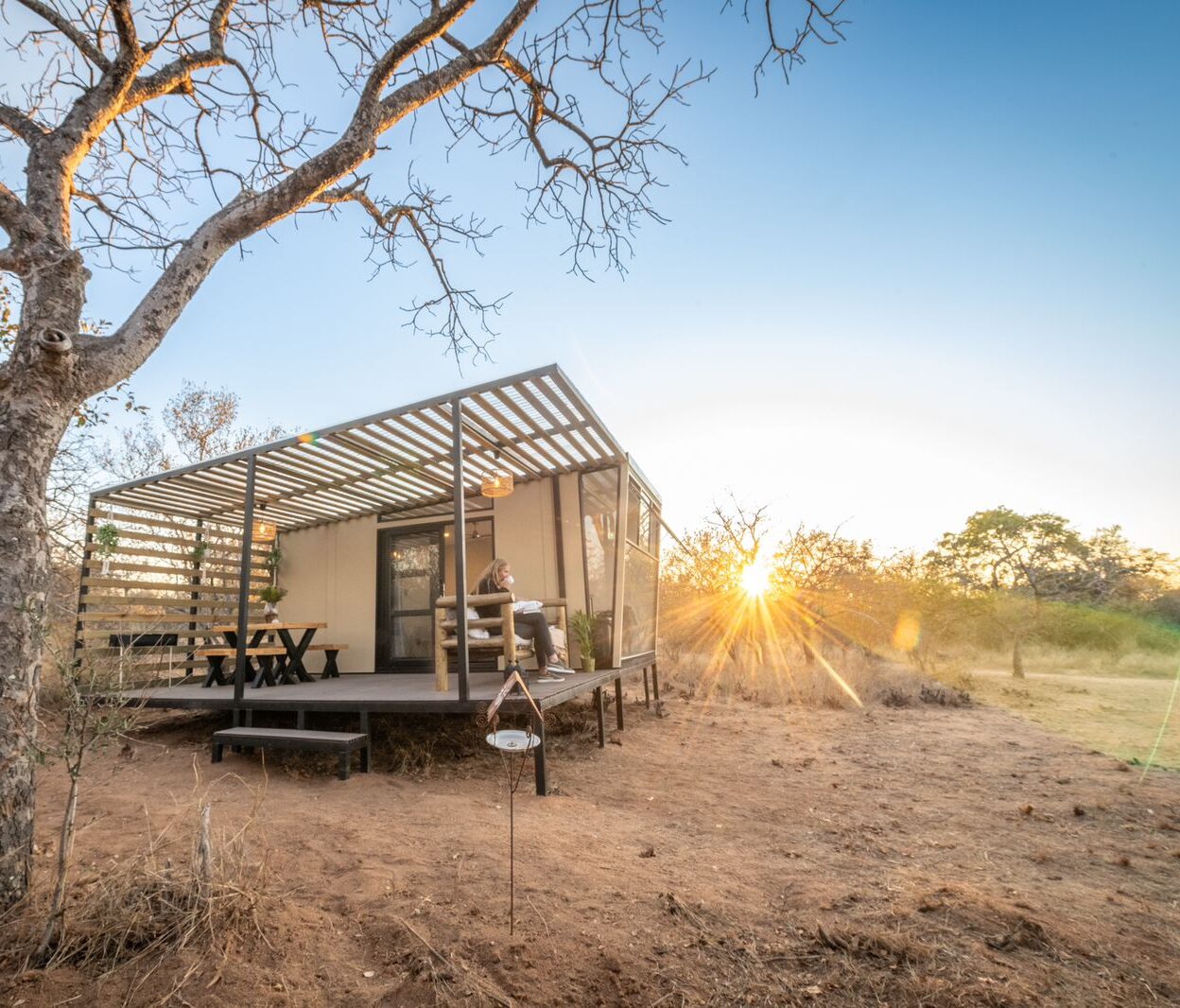
Our partner Kamoka Camp is a great example of this approach. Located near DAKTARI, Kamoka Camp offers visitors the opportunity to experience the African bush while connecting with the local environment. Through partnerships like this, tourism can contribute to a wider network of people and organisations working to support nature and conservation.
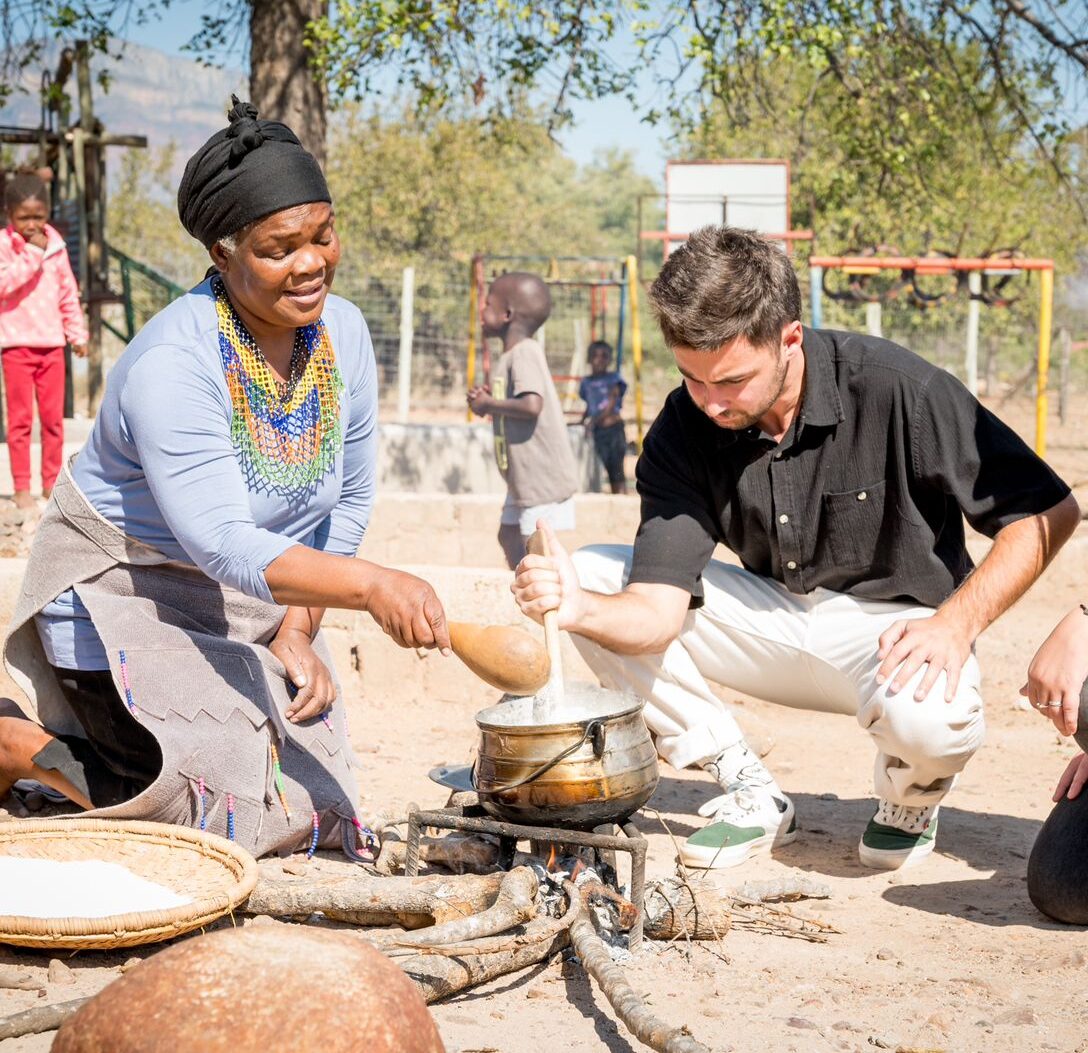
A 2026 IUCN review of 91 conservation projects across 31 African countries found that conservation initiatives can also create benefits for local communities when they protect habitats, address threats and involve local people.
Choosing responsible tourism can therefore help make wildlife valuable not only as something to see, but as something worth protecting.
Share the Right Message
Social media has become one of the easiest ways to share our experiences with wildlife. A beautiful photograph can inspire thousands of people to discover and care about nature.
But before posting, it is worth considering the message behind the image.
Does it show animals being respected, or does it make unnatural interactions appear acceptable?
At DAKTARI, we see how a simple encounter with an animal can spark curiosity. A child observing an animal, learning about its behaviour or discovering its role in an ecosystem may begin to see wildlife differently.
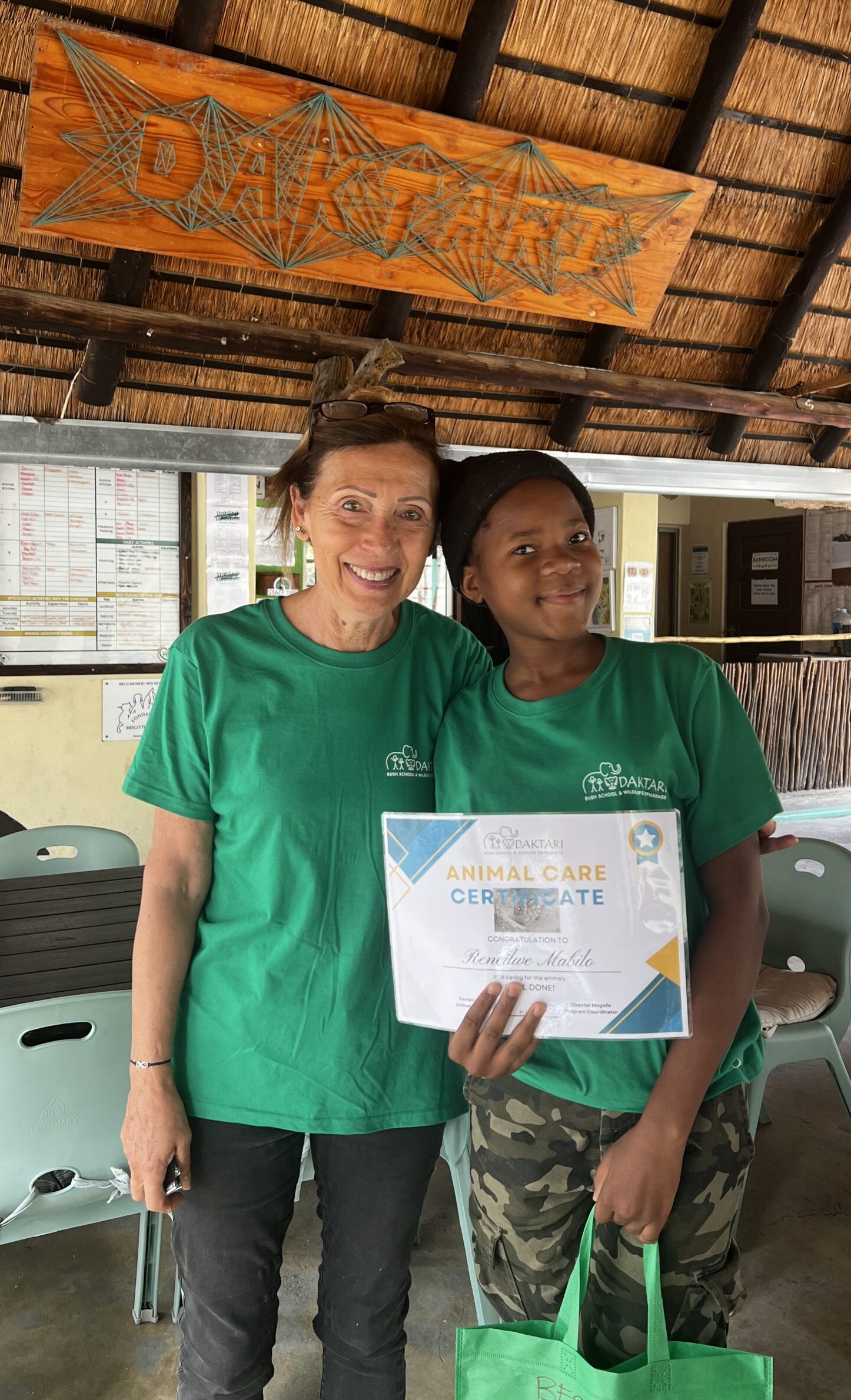
By sharing responsible and educational wildlife content, we can encourage others to appreciate animals without treating them simply as entertainment.
Small Choices, Bigger Impact
We cannot solve every conservation challenge through one action. But we can all make more thoughtful choices.
We can buy responsibly, travel responsibly, respect wildlife, reduce waste and share positive conservation messages.
These choices may seem small, but they can contribute to a much bigger movement.
At DAKTARI, we believe that education is one of the first steps. Over the past 20 years, more than 5,500 children have taken part in DAKTARI’s educational activities, learning about wildlife and the importance of protecting nature.
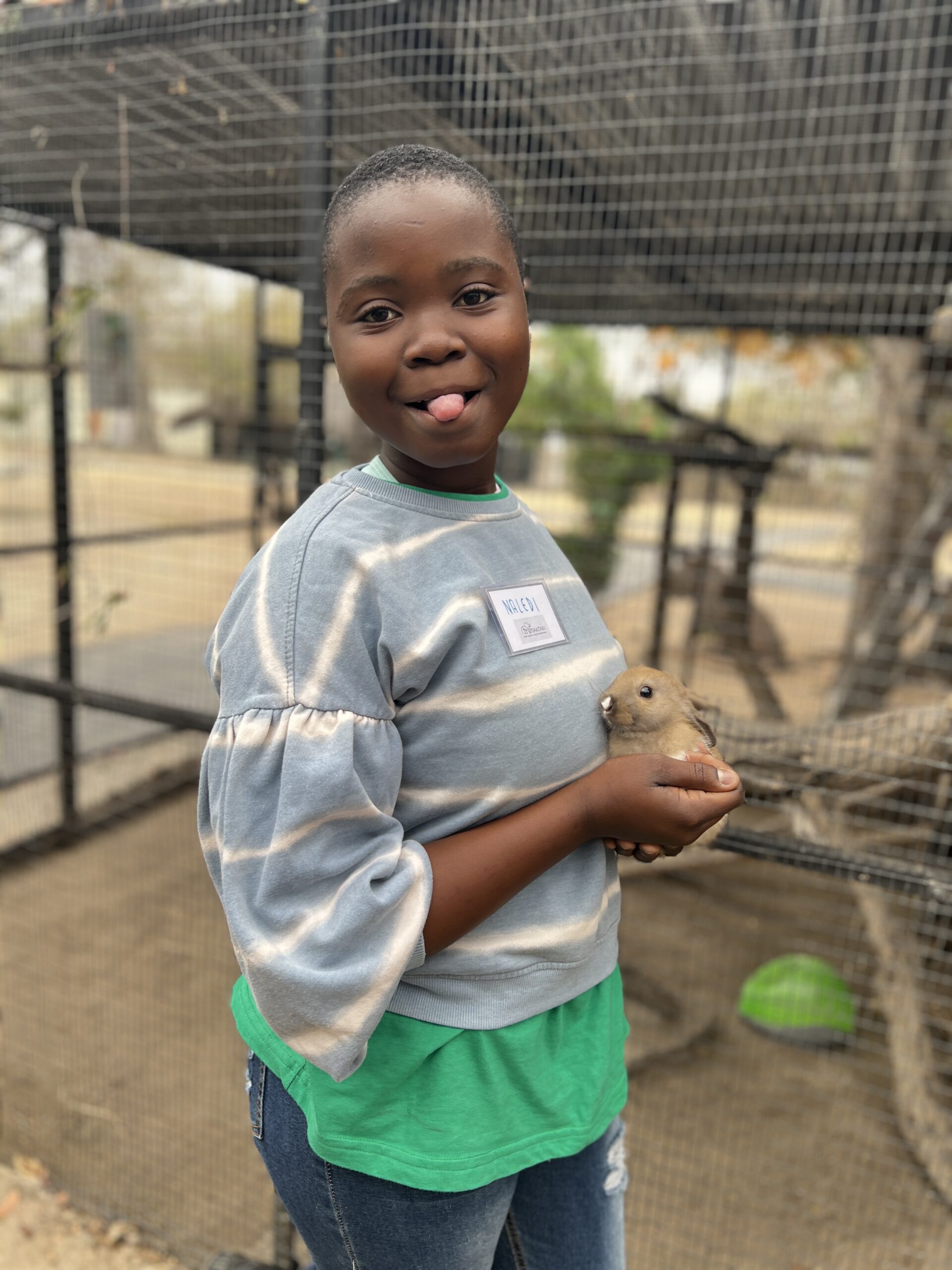
Because conservation does not only happen in the bush.
It can begin at home, on holiday, online — or with a child discovering an animal for the very first time.
Every choice is an opportunity to protect the wildlife and natural world we share.