
When we think about wildlife conservation, we often think of rangers, researchers and conservation organisations working to protect animals and habitats. But there is another important part of conservation that is sometimes overlooked: the next generation.
Young people will grow up to make decisions that affect our environment, communities and wildlife. Helping them understand the value of nature today can help create a stronger future for conservation.
Connecting Young People with Nature
For many children, wildlife can feel like something that exists far away, inside a national park or on a television screen. But spending time in nature can change that.
At DAKTARI Bush School, local children have the opportunity to experience the African bush, learn about wildlife and discover why protecting the environment matters.
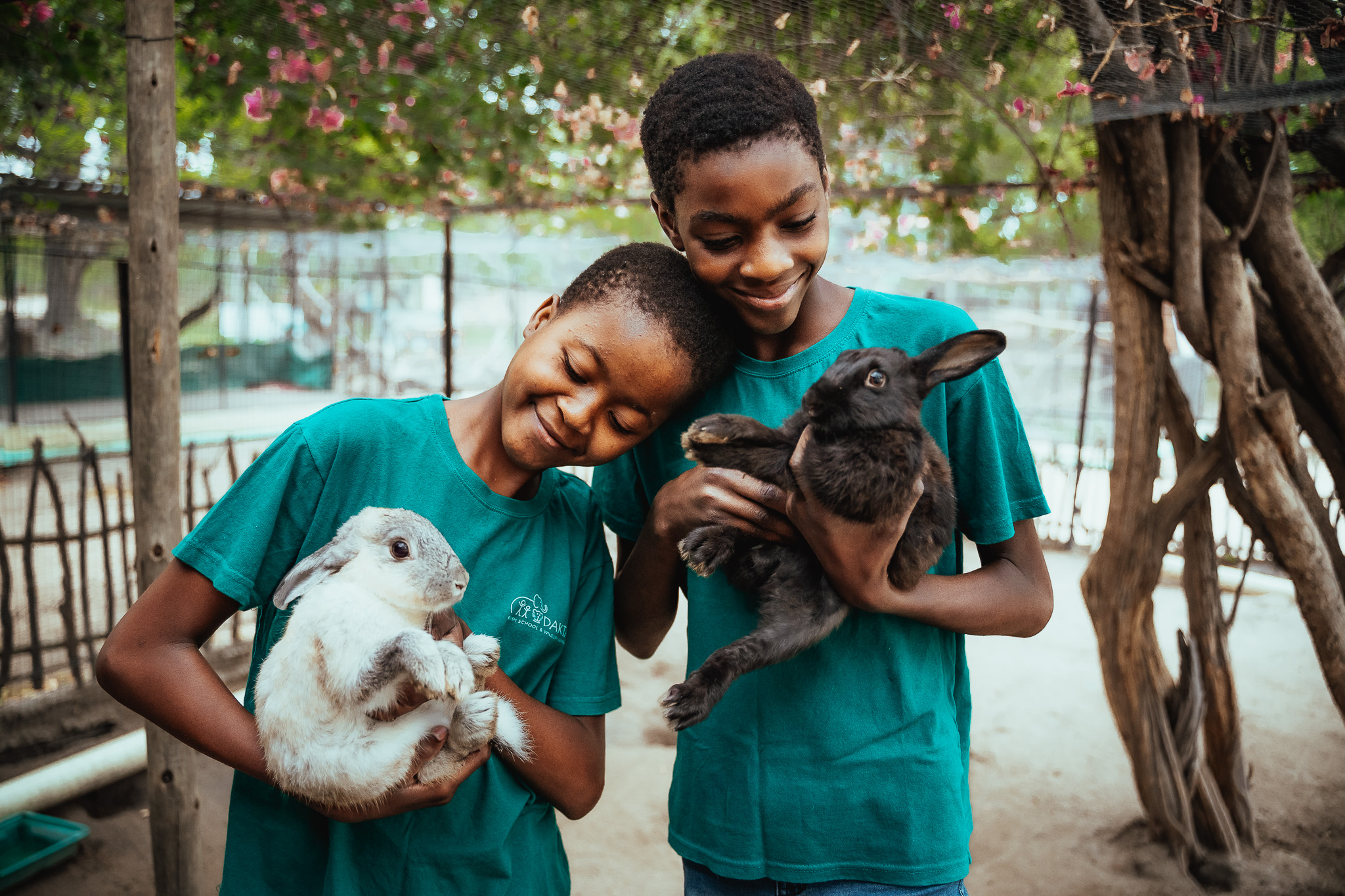
These experiences are about more than learning facts about animals. They give children the opportunity to ask questions, develop curiosity and build a personal connection with nature.
Education Can Open New Possibilities
Environmental education can also help young people imagine themselves as part of the future of conservation.
South Africa has a particularly young population. In the first quarter of 2026, 21 million people aged 15–34 made up almost half of the country’s working-age population.
With so many young people entering adulthood, creating opportunities for learning and skills development is important, not only for their future, but also for the future of the communities and environments they live in.
Conservation needs people with many different skills: educators, guides, researchers, animal carers, environmental managers and community leaders. Helping young people discover these possibilities can be an important first step.
Inspiring Future Conservationists
A child who learns to appreciate an animal today may become someone who protects wildlife tomorrow.
This is why DAKTARI believes that conservation and education go hand in hand. By bringing children closer to nature and helping them understand the challenges facing wildlife, we hope to inspire them to care about their environment and become active participants in its future.
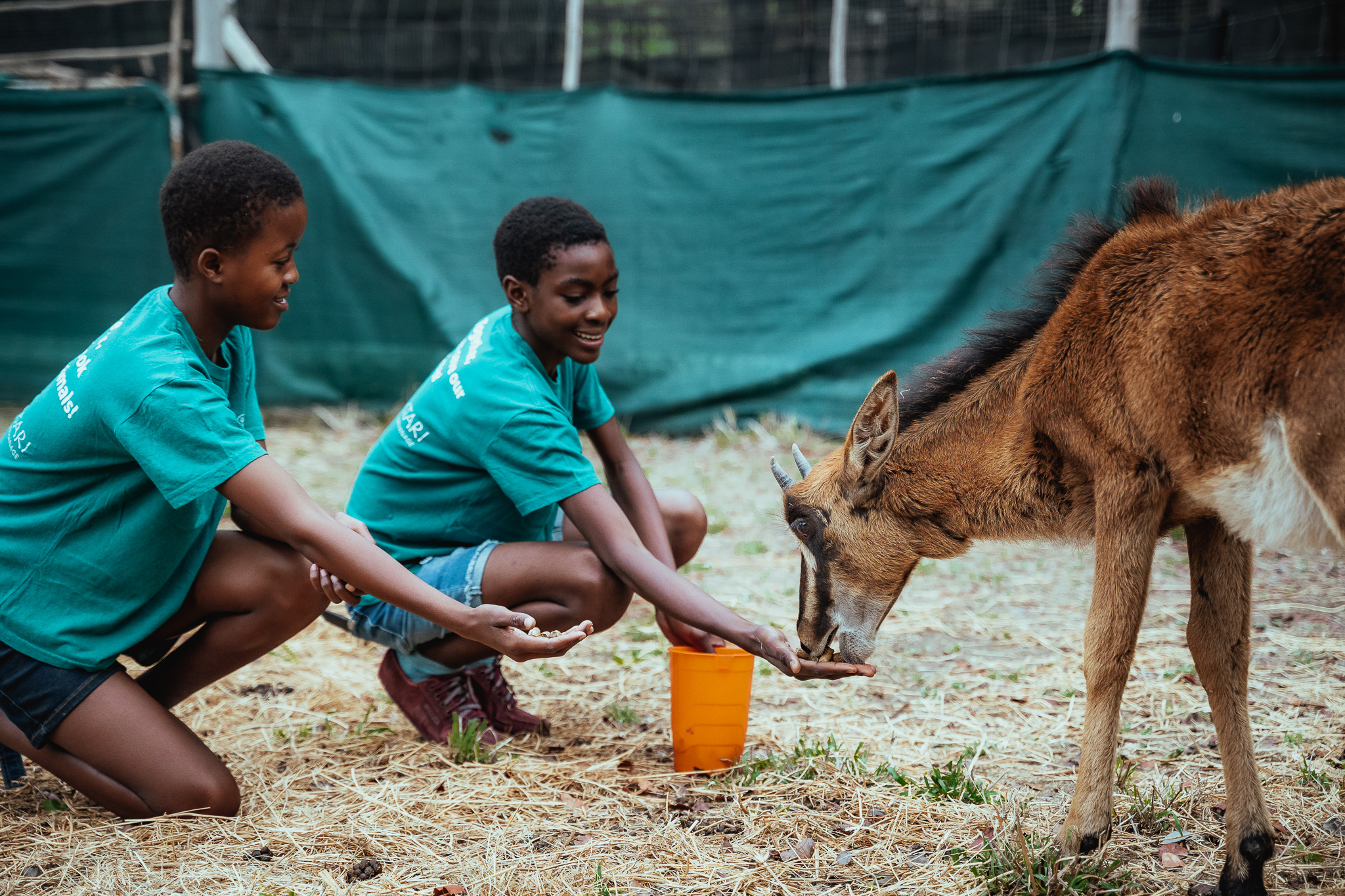
Protecting wildlife is not only about what we do today. It is also about what we pass on to the next generation.