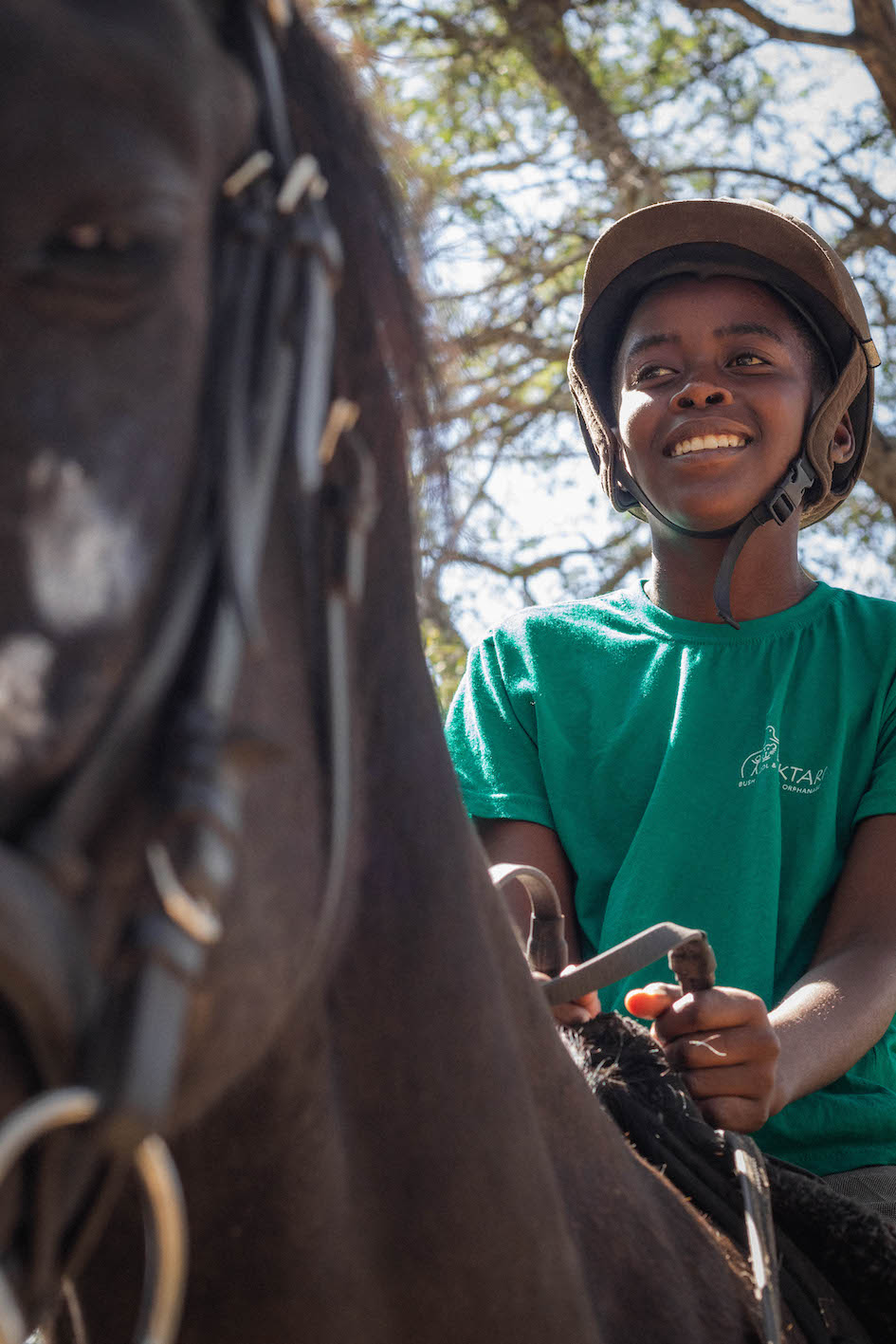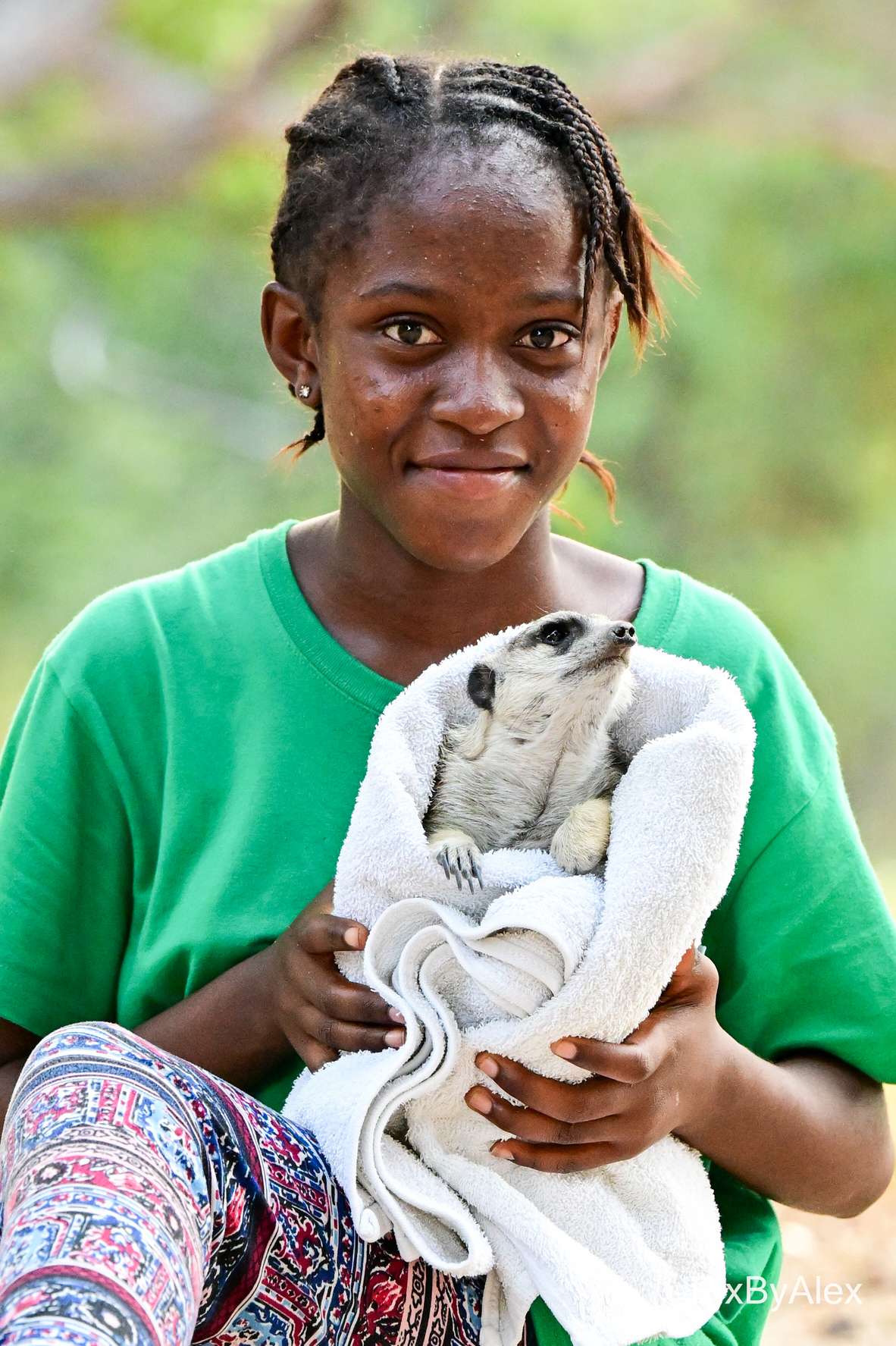
Imagine growing up knowing animals mainly from television, seeing nature through a screen, and learning about the environment from a textbook without ever touching the soil, hearing birdsong or observing wildlife up close.
For many children, this is becoming increasingly common.
Children today are growing up in a world where school, technology and busy schedules can leave less time to explore the outdoors. But spending time in nature is more than simply getting fresh air. It gives children opportunities to explore, ask questions, build confidence and develop a connection with the world around them.
When nature becomes something we only see on a screen
Research continues to show the benefits of outdoor experiences for children’s physical, emotional and social wellbeing. Yet opportunities to spend time in nature are not equally available to every child.
The 2025–26 Children’s People and Nature Survey in England found that only 43% of children and young people spent time in outdoor spaces every day or most days outside of school. While this figure cannot represent children everywhere, it highlights a broader challenge: many young people are spending less time experiencing the natural world directly.
A long-term study published in 2025 also estimated that human connection with nature has declined by more than 60% since 1800, partly due to urbanisation and reduced opportunities to encounter nature and wildlife.
This growing distance from nature matters.
You protect what you know
It is difficult to care deeply about something you have never experienced.
A child who watches a bird build a nest may become curious about where birds live. A child who discovers animal tracks in the bush may begin asking questions about which animals made them. A child who learns how wildlife depends on healthy habitats can start to understand why protecting those habitats matters.
These experiences can turn environmental issues from abstract ideas into something real.
Experience creates curiosity. Curiosity creates understanding. And understanding can inspire action.
If children grow up increasingly disconnected from nature, they may have fewer opportunities to understand biodiversity, ecosystems and the challenges facing wildlife.
At a time when biodiversity loss and environmental change are major global challenges, helping children build this connection is more important than ever.
Nature is also a classroom
The natural world provides opportunities to learn through direct experience.
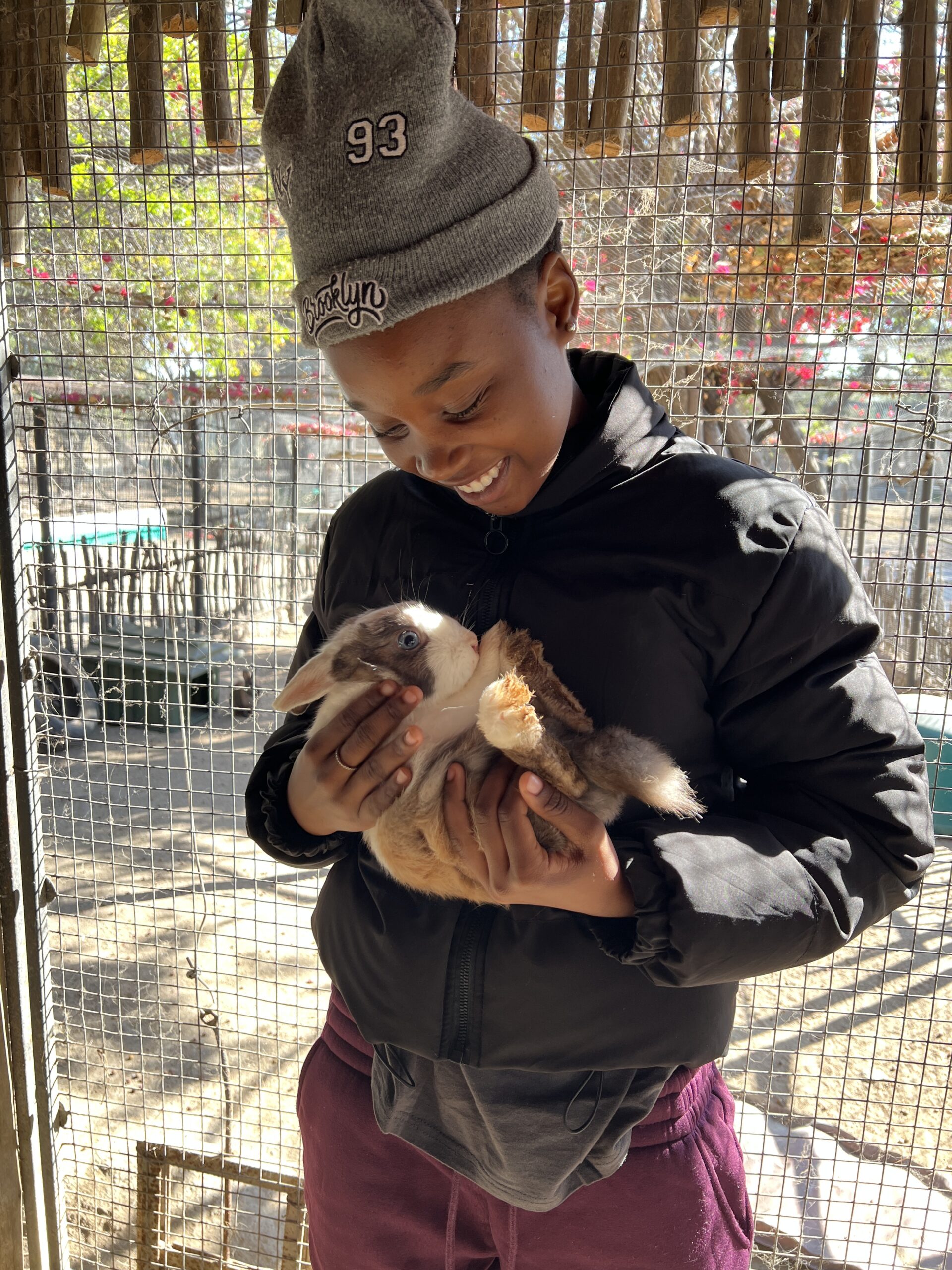
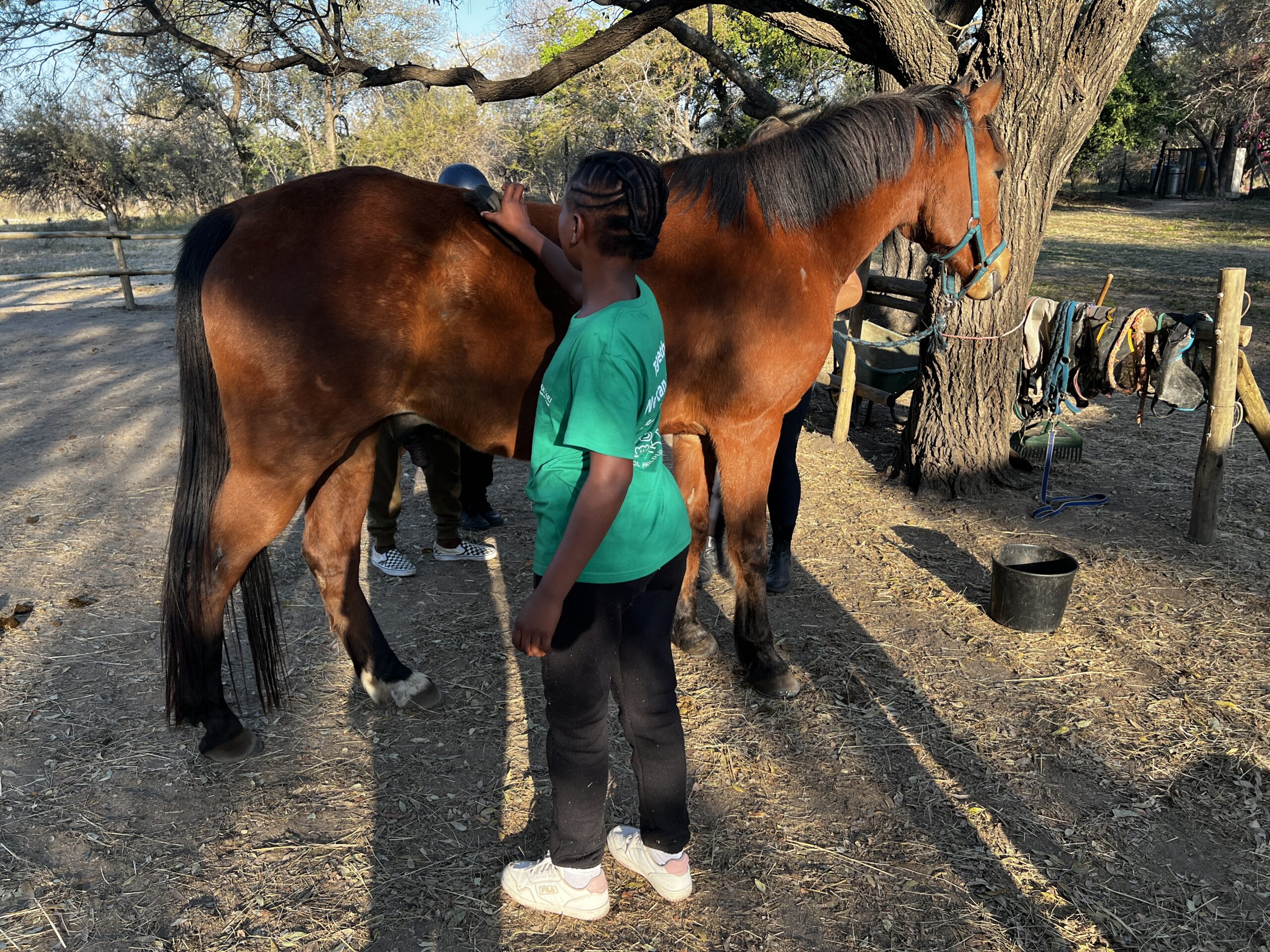
A lesson about wildlife conservation becomes more meaningful when children can observe animals. Learning about ecosystems becomes easier to understand when students are surrounded by the bush. Discussions about environmental protection can become more relevant when children can connect them to the places where they live.
This is why environmental education is so important.
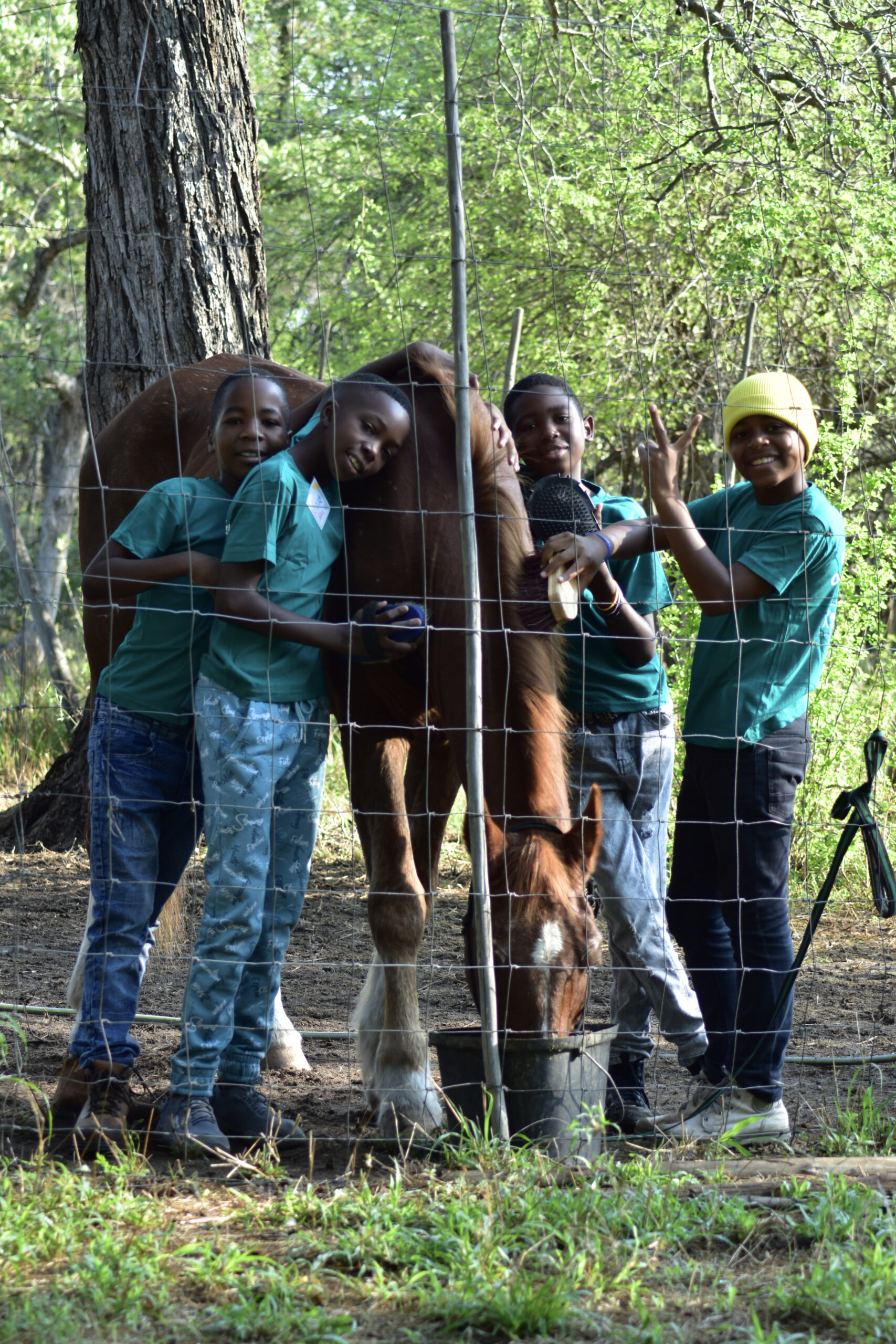
At DAKTARI, environmental education is at the heart of what we do. Every week, children from local communities have the opportunity to learn outside the traditional classroom, discover wildlife and explore the importance of protecting nature.
Through our weekly education programme and activities such as the ECO Club, children learn about wildlife conservation, environmental protection and the challenges facing their communities.
Most importantly, they have the opportunity to connect these lessons with real experiences.
Over more than 20 years, more than 5,500 children have taken part in DAKTARI’s educational activities.
Each child may leave with something different: a new animal they have discovered, a better understanding of conservation, or simply a new curiosity about the natural world.

Giving children a reason to care
We often talk about protecting wildlife for future generations.
But are we giving those future generations the opportunity to know and appreciate what they are being asked to protect?
Children need opportunities to explore nature, ask questions and understand their place within it.
At DAKTARI, we believe that education can be the beginning of that connection.
By giving children the chance to experience nature today, we can help inspire them to protect it tomorrow.
Because when children experience nature, they don’t just learn about the world around them. They begin to see that they have a role in its future.
This is at the heart of DAKTARI’s mission: to inspire the youth to protect nature and shape their future.