
South Africa is one of the world’s most biodiverse countries, attracting millions of visitors each year with its incredible wildlife, breathtaking landscapes, and unforgettable safari experiences. But as tourism continues to grow, so does the responsibility to protect the very environment that makes the country so special.
The future of conservation isn’t just about protecting wildlife—it starts with educating people. By combining environmental education with responsible tourism, South Africa is creating a future where wildlife, local communities, and visitors can all benefit.
At DAKTARI Bush School & Wildlife Orphanage, we see this connection every day.
Protecting wildlife starts with education
Conservation is about more than protecting wildlife—it starts with educating people. While anti-poaching efforts, wildlife rehabilitation, and protected areas are essential, long-term conservation depends on helping people understand why nature matters.
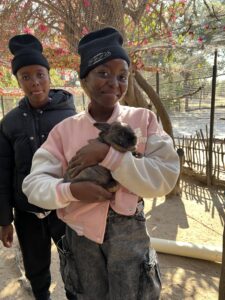
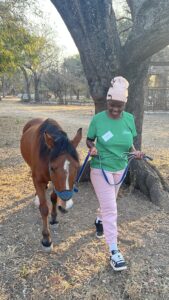
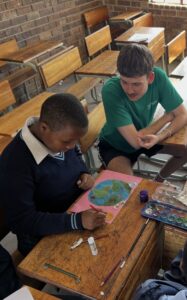
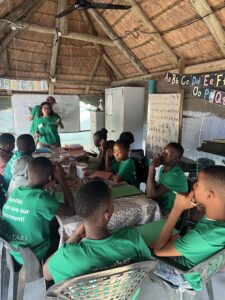
At DAKTARI, local children spend a week learning through hands-on activities in the bush. They discover the importance of biodiversity, explore topics such as wildlife crime and habitat protection, and meet rescued, non-releasable animals that inspire compassion for wildlife.
By creating a lasting connection with nature, environmental education encourages children to become responsible stewards of the environment. Investing in the next generation today is one of the most effective ways to safeguard South Africa’s wildlife for the future.
Eco-tourism is shaping the future of South Africa
Today’s travellers are looking for more than beautiful scenery. Increasingly, they want their holidays to have a positive impact on the places they visit.
This growing demand for responsible travel has helped make eco-tourism one of South Africa’s fastest-growing tourism trends. Visitors are choosing experiences that support conservation, create local employment, and encourage sustainable practices instead of simply consuming nature.
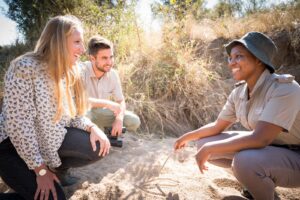
Across the Greater Kruger region, many tourism businesses are embracing this approach. Kamoka Camp, one of DAKTARI’s accommodation partners, is a great example. By offering guests an authentic bush experience while promoting responsible tourism, it reflects the growing movement towards travel that benefits both people and the environment.
For many visitors, staying at an eco-conscious lodge becomes even more meaningful when paired with experiences that support local conservation and education initiatives.
Responsible travel creates lasting impact
Every travel decision has an impact.
Choosing ethical wildlife experiences, supporting local organisations, reducing waste, and learning about conservation all contribute to protecting South Africa’s natural heritage.
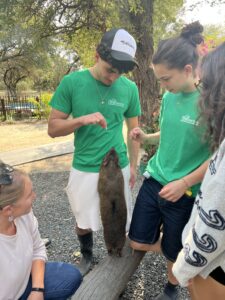
Volunteering takes this one step further. Instead of simply observing wildlife, volunteers become part of the conservation story by helping care for rescued animals, supporting environmental education, and working alongside local communities.
These experiences not only create unforgettable memories but also inspire visitors to continue making environmentally responsible choices long after they return home.
A future worth investing in
South Africa’s wildlife is one of its greatest treasures, and its future depends on the next generation understanding why it deserves protection. Environmental education gives children the knowledge and inspiration to become future conservation leaders, while eco-tourism allows visitors to support conservation through responsible travel choices.
Together, education and sustainable tourism create a positive cycle: tourism supports conservation, conservation supports education, and education inspires people to protect nature. At DAKTARI, we believe that every child educated, every volunteer welcomed, and every responsible traveller helps build a future where people and wildlife can thrive together.