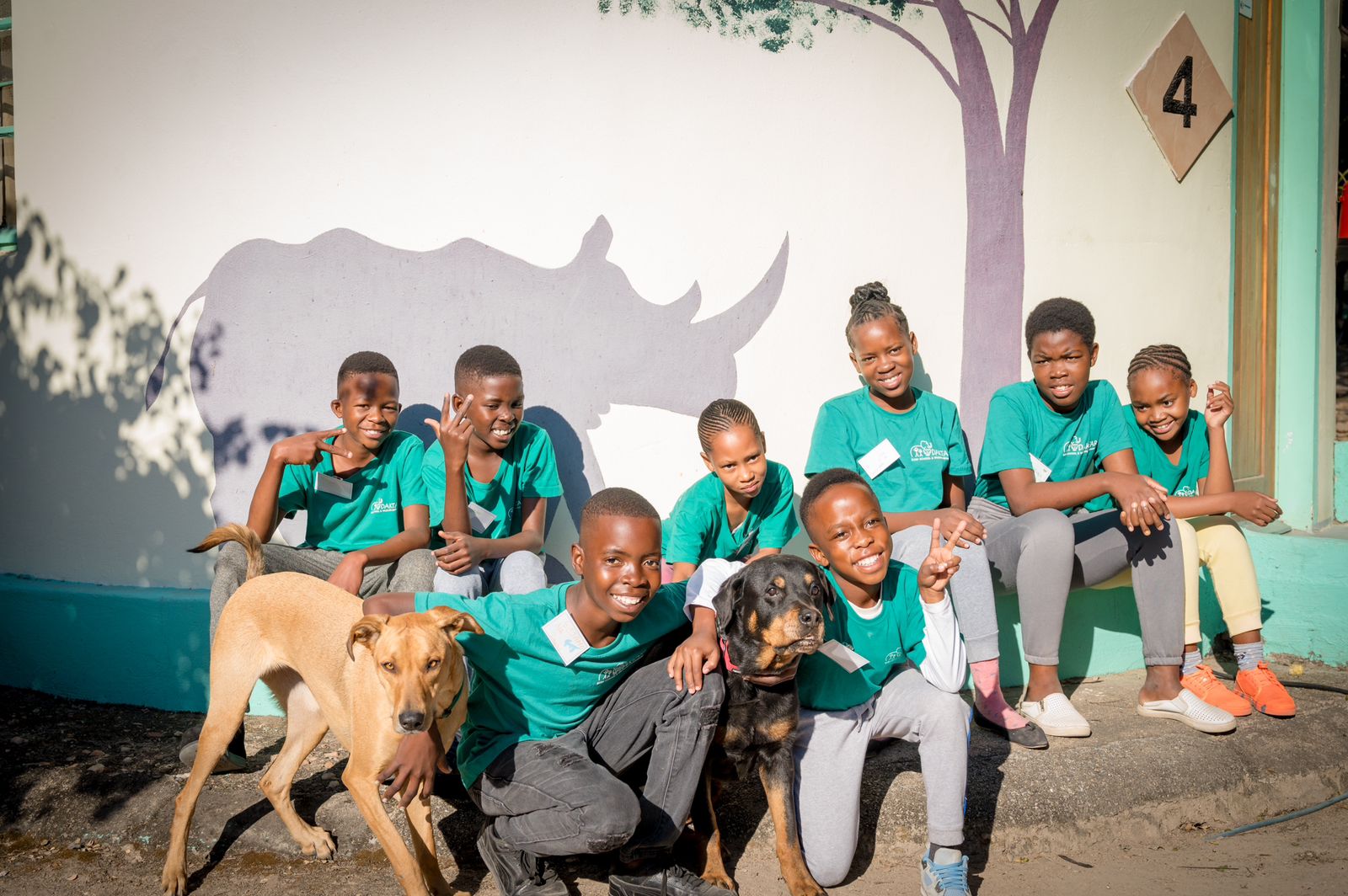
For many children, learning about wildlife happens in a classroom, through a textbook or on a screen. But what happens when they have the opportunity to step outside, experience the African bush and discover nature for themselves?
Every week, children from local schools come to our camp to discover wildlife, explore their environment and learn why protecting nature matters. Through hands-on experiences, educational activities and time spent with animals, they have the opportunity to see the natural world from a different perspective.
Learning Beyond the Classroom
Being surrounded by nature creates opportunities that are difficult to recreate in a traditional classroom. Children can observe animals, ask questions about their behaviour and discover how different species live in their environment.
A simple encounter with an animal can lead to a bigger conversation about conservation. Why do some animals become endangered? What happens when their habitats disappear? How can people help protect them?
At DAKTARI, these questions are part of the learning experience. By connecting lessons with real animals and the surrounding bush, we help children understand that conservation is not just an abstract idea. It is connected to the world they live in and the choices people make every day.
Learning through experience can also make lessons more memorable. When children are encouraged to observe, ask questions and share their thoughts, they become active participants in their own learning.
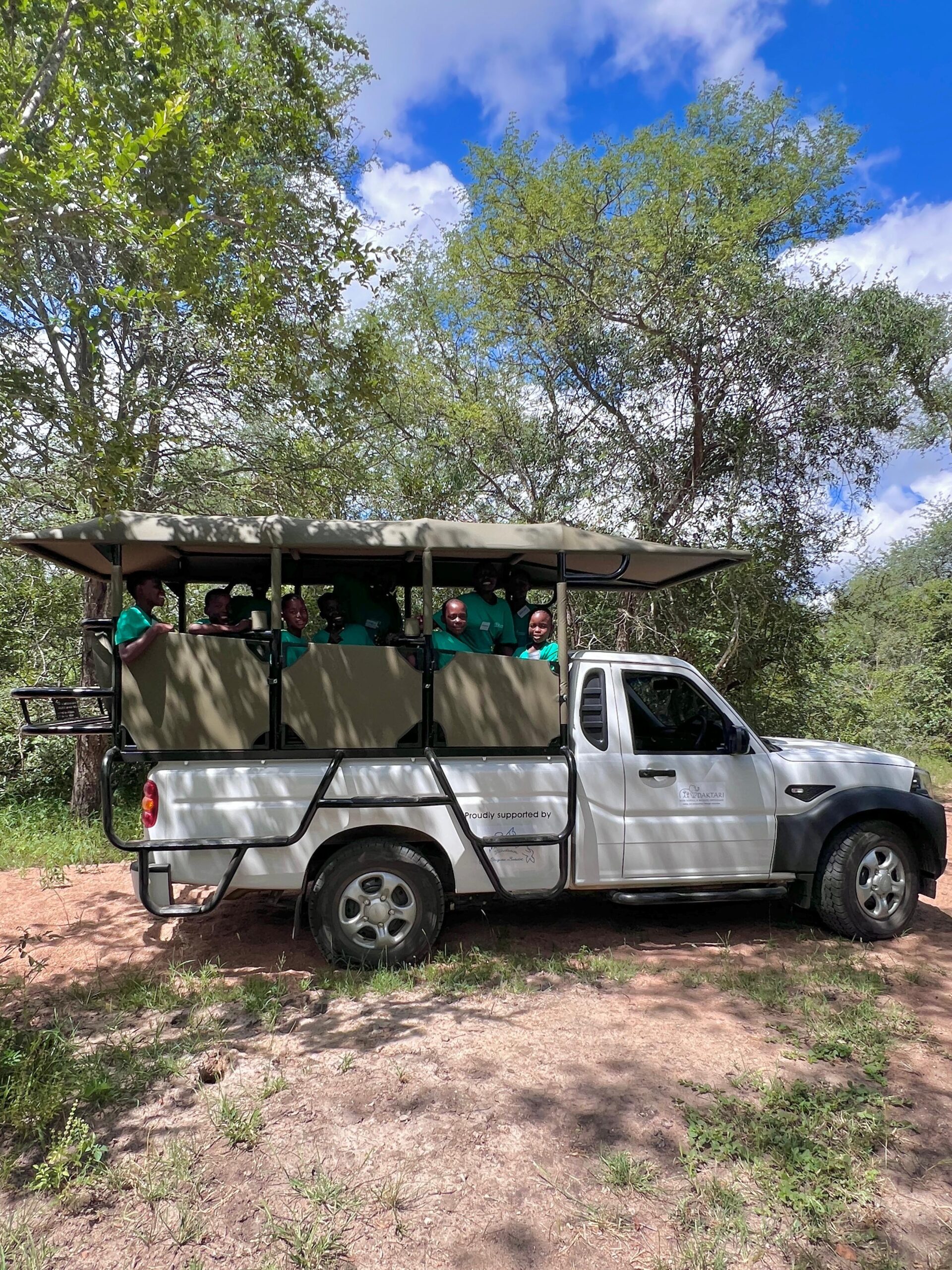
Discovering the Importance of Every Animal
For some children, visiting DAKTARI may be their first opportunity to see certain animals up close. Meeting a mongoose, observing a tortoise or learning about a predator can spark curiosity and challenge assumptions.
Children begin to understand that every animal has its own needs and behaviours, and that even species that are often overlooked play a role in nature. They also learn about the challenges wildlife faces, including habitat loss, pollution and human-wildlife conflict.
These experiences encourage children to look beyond what they already know. Instead of seeing wildlife simply as something interesting to watch, they can begin to understand why animals need protection and how people can share the environment more responsibly.
More Than Wildlife Education
A week at DAKTARI is not only about learning facts about animals. It is also an opportunity for children to develop important life skills.
Through group activities, discussions and games, children practise communicating, working together, listening to others and expressing their ideas. They are encouraged to participate, ask questions and consider different points of view.
The programme also introduces topics that affect their everyday lives, from environmental responsibility to personal development and future opportunities.
For children who may not often have access to these kinds of experiences, spending time in a new environment can be especially valuable. Discovering something unfamiliar, taking part in activities and sharing ideas with others can help build confidence and encourage a greater sense of possibility.
Taking the Lessons Home
The learning does not end when the children leave DAKTARI. We hope they take their new knowledge back to their families, schools and communities, sharing what they have discovered about wildlife and the environment.
A child might tell their family about an animal they met, explain why litter can harm wildlife or encourage others to treat animals with greater respect. These conversations may seem small, but they can help spread awareness beyond the bush camp.
Over the years, more than 5,500 children have participated in DAKTARI’s educational activities. Each child brings their own experiences, questions and hopes for the future.
We cannot know exactly where every lesson will lead, but we believe that creating opportunities to learn and connect with nature is an important first step towards building a stronger conservation mindset.
A Week That Can Make a Difference
At DAKTARI, a week in the bush is about more than seeing animals. It is an opportunity to discover, question, understand and imagine new possibilities.
By bringing children closer to wildlife and helping them understand their role in protecting the environment, we hope to nurture a connection with nature that continues long after their visit.
Sometimes, all it takes is one new experience to help a child see the world a little differently, and begin to understand how they can make a difference.