
Wildlife and people share the same landscapes in many parts of Africa. As communities grow and natural areas change, encounters between people and wild animals can become more common. This can sometimes create challenges, but it also raises an important question: can people and wildlife live alongside each other?
The answer is not always simple. But coexistence is possible when people understand wildlife and find ways to share the environment responsibly.
When People and Wildlife Meet
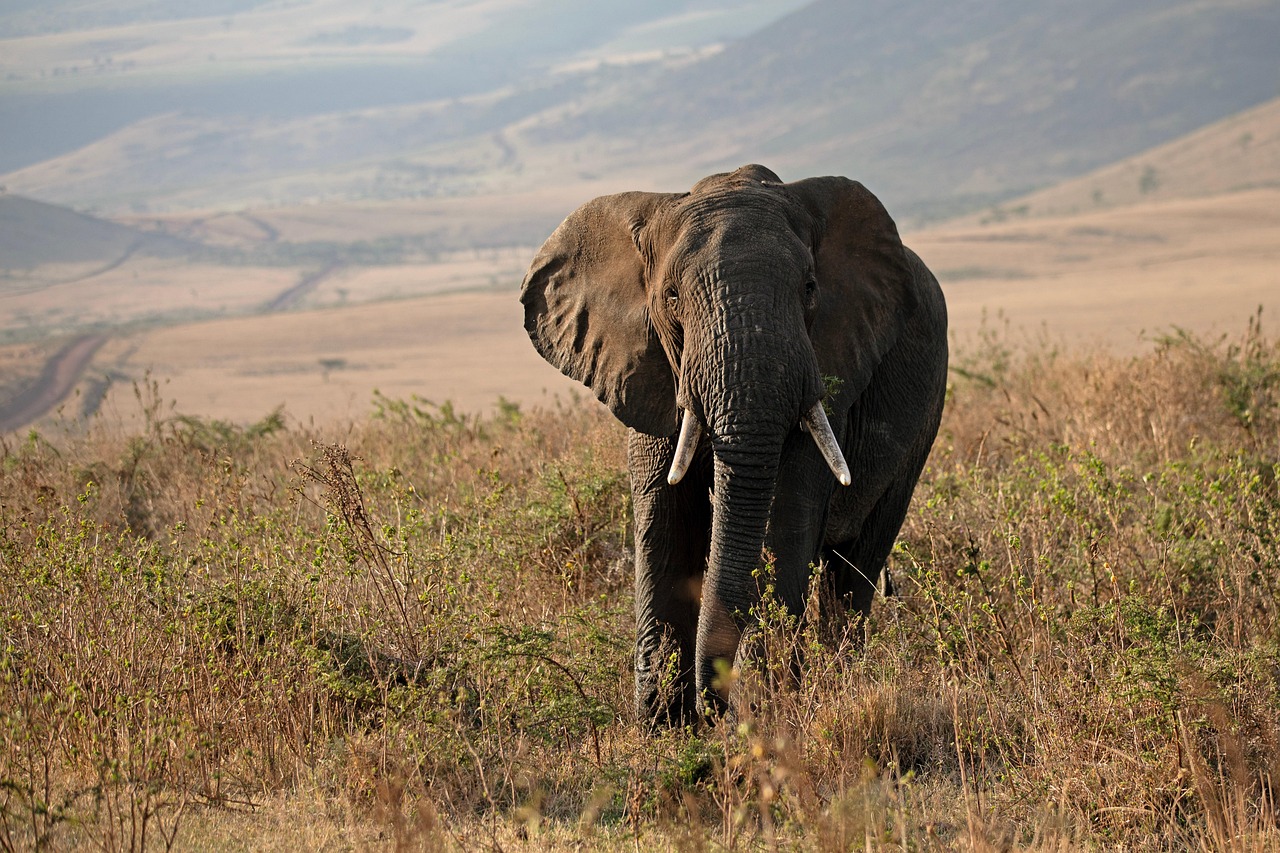
Wild animals do not always recognise the boundaries that humans create. An elephant may move through farmland in search of food or water, while smaller animals may live close to homes and gardens.
For communities living near wildlife areas, these encounters can have real consequences. Animals may damage crops, threaten livestock or create safety concerns. At the same time, wildlife needs enough space, food and water to survive.
Finding a balance therefore requires considering both people and animals.
Understanding Wildlife Can Make a Difference
One important part of coexistence is understanding animal behaviour.
Knowing why an animal moves into a particular area can help people find safer ways to respond. Education can also help communities understand which actions may put both people and wildlife at greater risk.
This is why conservation is not only about protecting animals. It is also about helping people understand the environment they live in.
At DAKTARI, environmental education gives children the opportunity to learn about wildlife and the importance of protecting nature. By developing this understanding from a young age, children can become more aware of how their choices can affect the environment around them.
Conservation and Communities Go Together
Protecting wildlife cannot be separated from the people who live alongside it. Local communities need opportunities to benefit from and participate in conservation, while wildlife needs suitable habitats where it can survive.
Education, responsible tourism and conservation projects can all help create stronger connections between people and nature.
When people see wildlife as part of the environment they depend on, rather than something completely separate from their lives, conservation can become a shared responsibility.
Finding a Balance
Living alongside wildlife does not mean that every encounter is easy or that conflicts can always be avoided. It means looking for practical ways to reduce conflict while allowing wildlife to remain part of the landscape.
There is no single solution for every community or every species. What works for elephants may not work for predators or smaller animals. But learning, cooperation and respect can help people and wildlife share space more safely.